
Digital Trends 2022
7 min. reading time
This year was just as different as last year: travel restrictions, curfews, tests, vaccinations, quarantine, redundancies, changes. Only thanks to digital applications were many companies able to keep working relatively normally. But what does this mean for the future? We asked our experts which trends and topics will still be relevant in 2022. Familiar themes such as user research and agility came up, but also new developments, such as the current fluctuation in the labour market.
You'll find a selection of six digital trends here.
Customer Centricity – Involving users directly
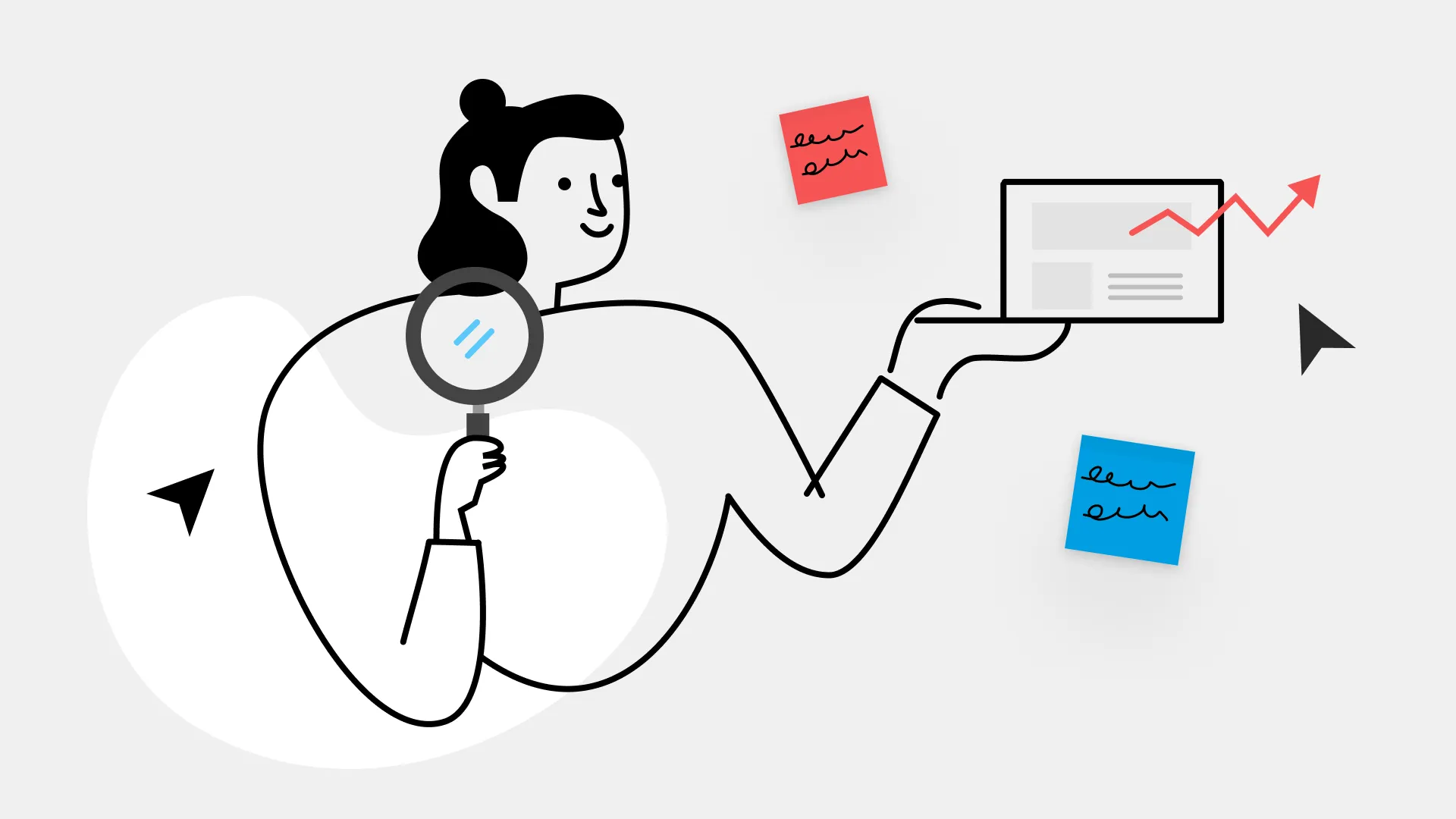
In many projects, user research is used, for example, in the form of UX tests. The newly created digital application is tested and reviewed by participants – for quality assurance. In many cases, however, this is no longer enough. User research can help identify the needs of users and customers in advance, in order to develop new services and even business models. Anyone who only reviews and optimises digital applications is missing out on valuable potential for the business and target audience. In the spirit of customer centricity, many of our projects in 2022 will therefore also start with an initial user research phase. In-depth interviews, focus groups, card sorting, online surveys, crowdtesting, tree testing, A/B tests, UX tests – there are many methods that can generate important insights and ideas for digital services. Even under ongoing pandemic conditions, research also works remotely.
Service Design for B2B – from core product to core need
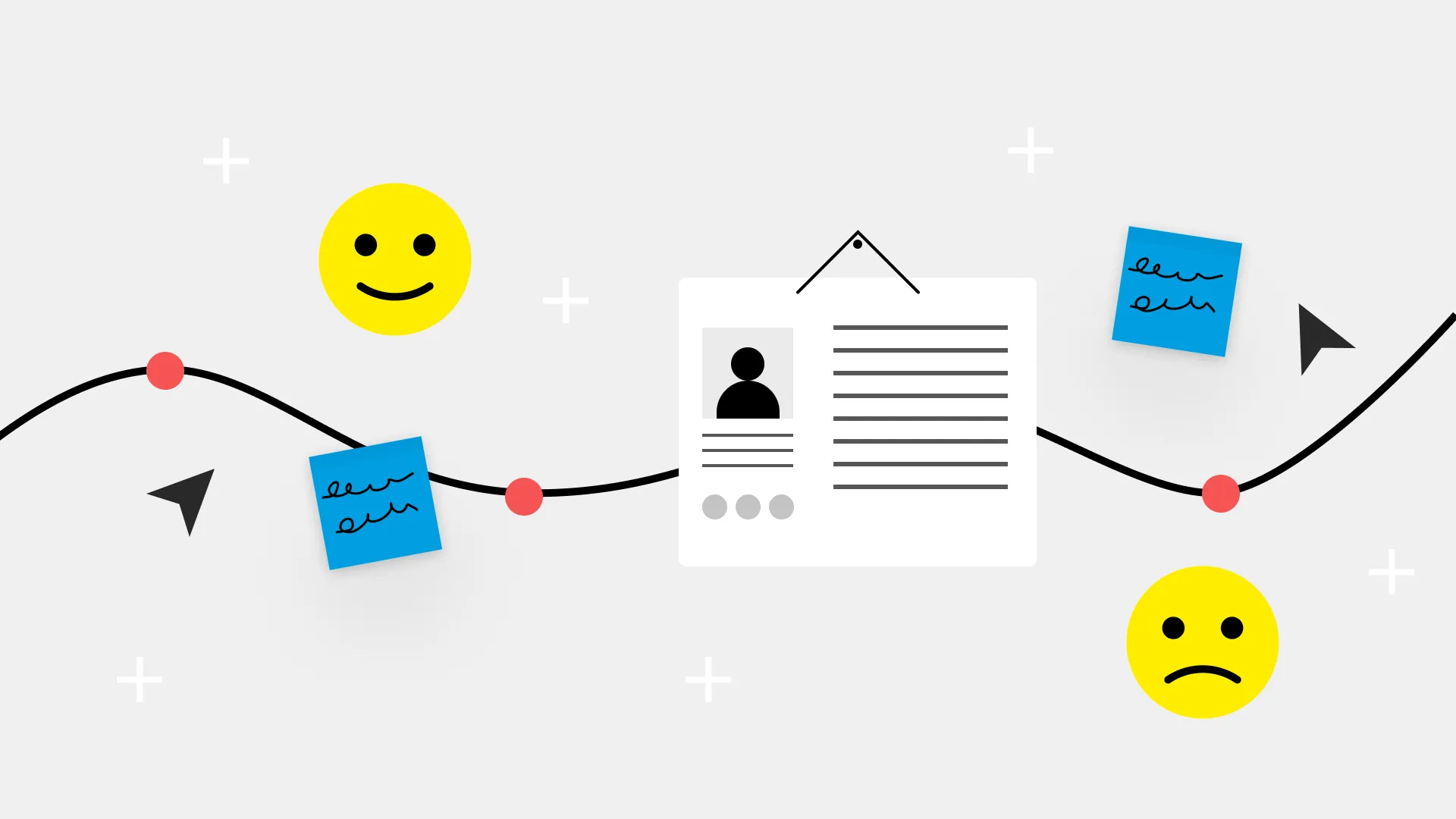
Digitalisation presents our customers with challenges in many respects: on the one hand, business processes and services are increasingly taking place via digital channels – and this is also increasing in the B2B segment. On the other hand, global and digital competition is expanding the range of offerings available to end customers. To address this development, particularly large, established companies must rethink their product portfolio. In Service Design workshops, we accompany our customers, for example, from the question "What do we offer?" to the question "Which needs do we serve?". Identifying the target group's main needs can have far-reaching consequences: companies can digitally extend their offering, build customer loyalty, generate new digital services for product management, or develop entirely new business lines. The most important thing, however, is always to put people first and learn what they really need. This change of perspective is the foundation of Service Design.
Anyone who takes Service Design seriously now can address the needs of their own target group in the long term and thus position themselves flexibly for the digital future.
Good content is measurable
Many companies optimise the performance KPIs of their website, such as Core Web Vitals. Technical optimisation of the website is a good and important step towards greater user-friendliness. But in 2022, companies should not neglect the most important lever for good rankings: the quality of the content. Good content is still number one when we talk about search engine optimisation (SEO) and user experience. Without relevant content optimised for the channel, even the fastest website won't achieve good rankings. High-quality content that matches the search intent is the best way to convey expertise and gain visibility. This allows companies to position themselves as thought leaders and authorities.
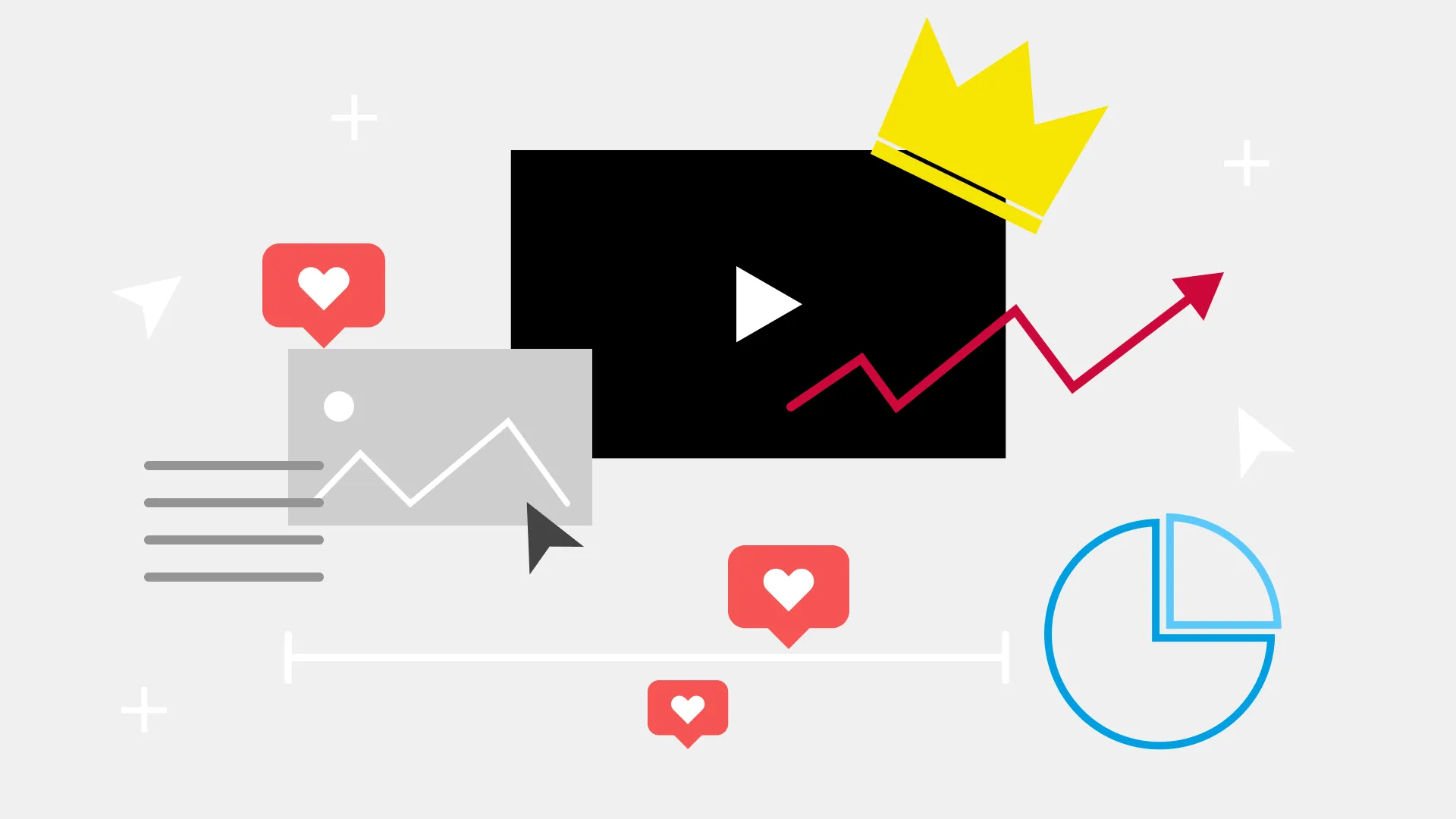
The success of good content becomes measurable through continuous monitoring of a few key metrics. For many companies, Google rankings come first here. Most of our customers receive regular reports from us, for example on Google Analytics statistics. Continuous monitoring also means that content can be further optimised and adapted. Perhaps people are accessing the content from different devices, and texts and images should be optimised for larger/smaller screens. Or the search volume for certain keywords has changed. Anyone who regularly checks how their own content is being received can make good content even better, and thus contribute to business success in a measurable way.
Agility meets organisation
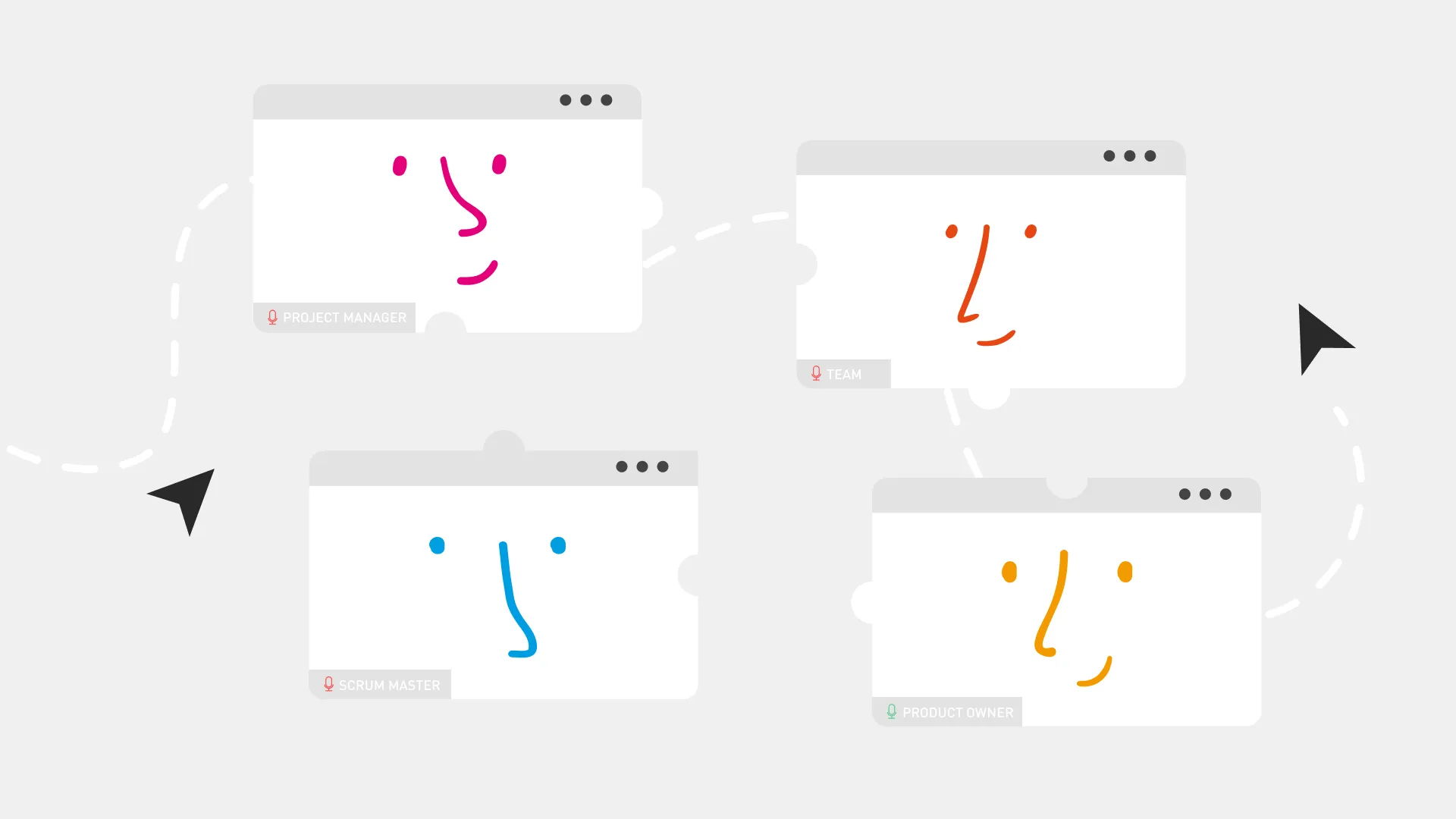
Large companies face the challenge that the tasks digital applications are meant to solve are becoming ever more complex. In addition, the conditions for teams working on these applications are changing: in almost all large companies, remote collaboration has increased significantly in recent years. Agile methods and roles can help deal with these situations and increase productivity and efficiency. These agile roles help us stay flexible and proactive in complex projects:
Product Owner (PO)
This is where all the threads come together. As the central figure of the product strategy, a PO decides what gets developed and in what order. PO tasks include: conveying a clear vision to everyone and actively collaborating with all team members to ensure the best possible working conditions – including working conditions in each individual remote (home) office.
Scrum Master / Agile Coach
Process lead. Person in Scrum Master role ensures internally everyone embraces values and methods, and protects externally against influences and obstacles that harm productivity. They mediate and help through difficult change processes we're all currently going through. They exert no control over development team.
Development team
Development team's tasks can be highly varied: software development, testing, design, software architecture, content management. Team usually self-organises and ideally has three to nine people. If every team member sits in different location, each is responsible for keeping others informed on own tasks and results. Teams groups, video calls or Slack chats ensure regular updates without daily physical stand-ups.
Project manager (PM)
In many projects, we can't do without a project manager. Scheduling, communication across company and agency boundaries, budget management. When several companies work together, someone needs to take responsibility for these tasks. PMs have faced tougher conditions during the pandemic too, since our calendars are packed with calls and digital coordination meetings. Ensuring everything runs smoothly remotely is also the PM's job.

Waves of resignations break out – addressing labour market fluctuation
Since spring 2021, an above-average number of people have been quitting their jobs. There are many reasons for this: the pandemic gave employees the chance to rethink their careers, working conditions and goals. We learned that many people can also work productively from home or even from other countries. So why go back to the office? Many have taken time to reflect and perhaps steer their career path in a new direction.
In the US, this trend is called "The Great Resignation" or "Big Quit". But how should companies respond to this phenomenon now? It's important not to simply try to turn everything back to how it was before. Our everyday life was, and still is, heavily restricted and changed. Companies that now call the entire workforce back to the office risk only half of them answering the call. It's important to recognise employees' needs. An anonymous online survey on the current situation, satisfaction and wishes can provide clarity. Do people long to be back in the office to have more exchange with colleagues again? Or is a regular video call enough to revive the team spirit? Do employees want a pay rise to compensate for lost income? Or do they need more holiday to be able to break out of the home office now and then? Everyone has experienced changes and losses in recent years. Perspectives and needs have shifted. For many, a "back to how it was before" isn't an option. Companies should respect that and adapt if they want to keep their workforce. Digital channels and tools can help in jointly developing a vision for the future.
Digital Think Tanks
All companies have to face digitalisation. That's why "innovation" is a top priority for many. Large organisations therefore sometimes set up their own hubs, where teams try out new things and explore new solutions. But building your own innovation hub is costly and can take a very long time. We're noticing that many companies are therefore outsourcing their digital innovation projects for now. An interdisciplinary team of experts takes on the customer's perspective and explores needs, problems, processes and opportunities. This means innovation processes can take place in a protected space before being carried into the company. Many of our clients therefore use us as a digital think tank. Through design sprints, prototyping, user research or organisational development workshops, we help companies become more innovative. Companies unsure how best to meet the demands of digitalisation can take important steps in the right direction by outsourcing digital innovation, without causing too much internal disruption.
Keen to find out more about interactive tools?
Join the team bring a project to life subscribe to newsletter
Your contact person
- Klaus Cloppenburg
Managementsynaigy
Show phone numberShow email address