

3 Must-Haves for B2B Websites
4 min read

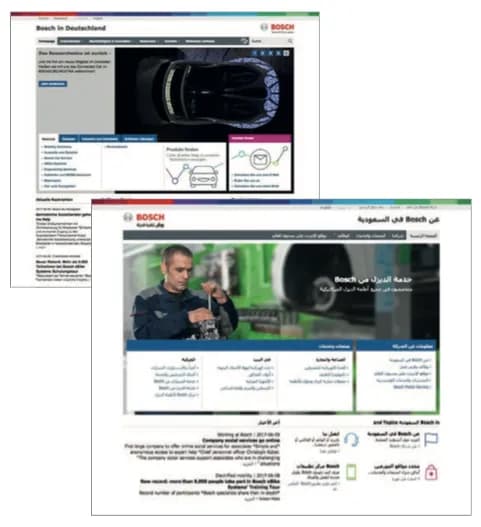
1. Personalisation & Internationalisation
A major challenge for B2B companies is targeting heterogeneous audiences and markets.
Personalisation makes it possible to design individual and relevant customer experiences. This is possible, for example, through login, save functions, reading out the IP address or content filters.
For companies operating globally, internationalising the website is of crucial importance. Most users prefer information in their own language. Ideally, companies go so far as to localise the website – i.e. adapt content and applications to regional or local markets. This means, for example, country-specific imagery, different product ranges or adapted form fields.
The goal should always be for website users to get the content that's right for them
and reach their answers even faster.
Our study results show: Many B2B companies already offer more than one language version of their website. However, very few websites can address all relevant markets or display localised content.
2. Product Presentation (with Videos)
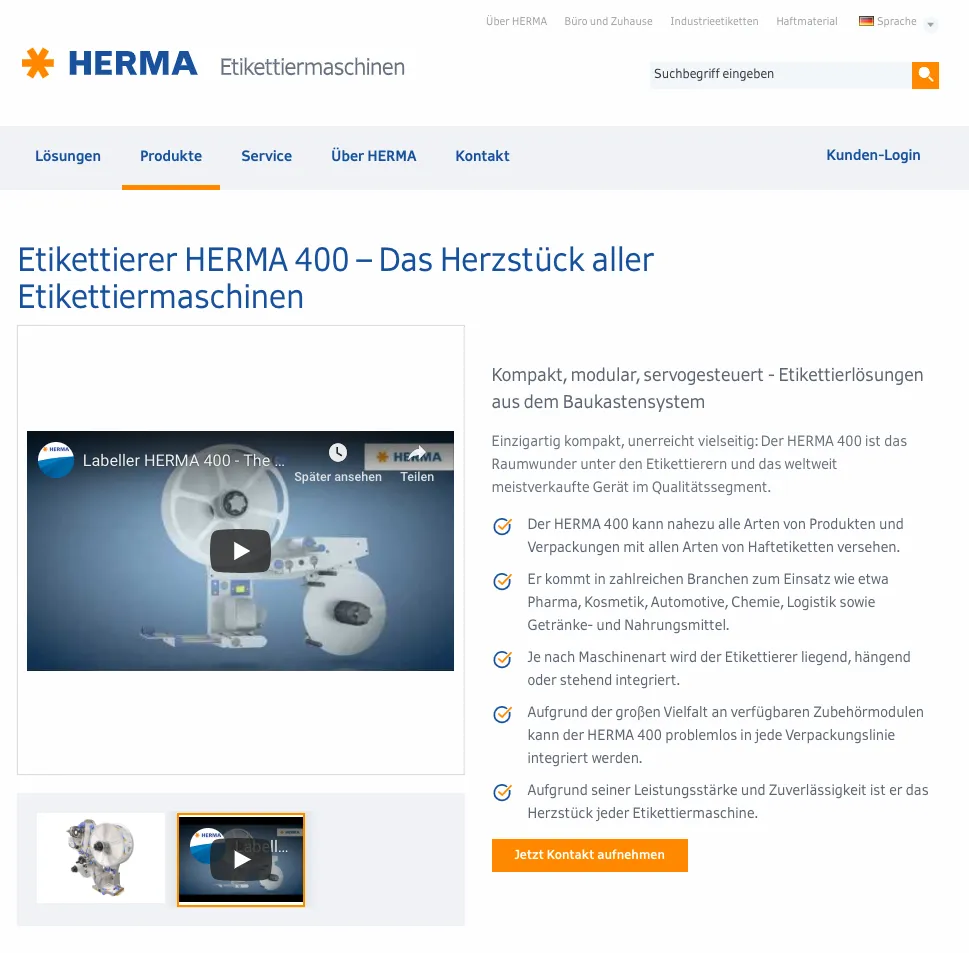
Products and services in the B2B space are often complex, hard to explain and, at first glance, unemotional. All the more reason for B2B companies to showcase their products and services effectively on their websites.
Some companies have already recognised the potential of "storytelling". After all, even important business decisions aren't based on rationality alone, but also on emotions such as preferences, loyalty or enthusiasm for a brand.
Moving image is one of the big, enduring trends in marketing and a great idea for product showcasing. Videos grab attention and convey information compactly. They also increase time spent on a website and can easily be shared on social networks.
Our user study shows: In B2B, moving images have become established above all in the form of explainer and product videos or 3D animations for investment goods that require explanation.
3. Simple Online Application Process
Skills shortages have long been a reality in the B2B sector. Qualified employees and talented young professionals are particularly important for medium-sized businesses, as skilled workers and talent often prefer large corporations. Location conditions frequently make the search for staff even more difficult.
The corporate or careers website plays a central role in building a successful employer brand.
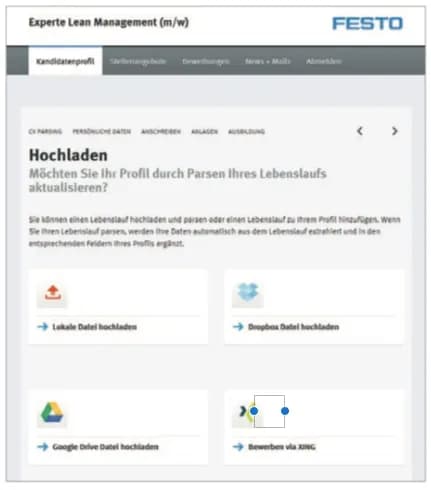
As the heart of (e-)recruiting, it is the first point of contact with a company for many applicants. If the website is well designed, the chances are higher that an applicant will choose the company. The online application process can significantly influence the path to new employees.
Here, our study results reveal: Many B2B companies still have great potential for optimisation.
Numerous companies offer applicants only the option of applying online – combined with extensive registration processes and complex forms.
A "one-click application", where candidates can share their current profile from a career network (Xing, LinkedIn) with just one click, is offered almost nowhere.
We continuously continue our B2B user study to keep the results and insights as up to date as possible.
B2B customers and applicants now expect a new kind of online experience and no longer distinguish between B2B and B2C websites. They no longer want to do without the comfort and flexibility they know from their private internet use, even in business life.
In our ongoing user study, we analysed the websites of more than 100 B2B companies. Study participants receive detailed results of our user survey, which we conduct in our User Experience Lab, as well as an overview of trends, best practices and challenges for B2B websites.
Below, we summarise by way of example three key must-haves that no B2B customer or potential employee wants to do without any more.
- Marian Gertheim
Consultingsynaigy
Show phone numberShow email address