

Pimcore: a system for product data, assets and content
Product data, digital assets and content come together in an open-source platform and are distributed from there to shops, marketplaces, catalogues and print. You combine PIM, DAM, MDM and DXP exactly as your processes require.

How much time does a single new channel cost you?
Product data in Excel lists, images on different drives, inconsistent descriptions depending on the channel: that's the reality in many companies. The result: faulty product pages, delayed market launches and manual effort that grows with every new channel.
Pimcore is an open-source platform for PIM, DAM, MDM, CDP and DXP. Product data, assets and master data are managed centrally and delivered to shops, marketplaces and channels. synaigy is a Pimcore partner and connects data management with commerce platforms, cloud operations and data-driven optimisation.



LET'S TALK!
Free discovery call
In 30 minutes we talk about your goals and look together at where things are stuck. With this input we analyse your project and discuss your options in a roadmap conversation.
HIGHLIGHTS
What centralised data changes in daily work
Pimcore bundles product data, media and content in one platform. These five points determine how much manual effort arises with each new channel.
PIM for clean product data
Product information is managed centrally, enriched and delivered to all channels based on rules. Data silos and duplicate maintenance are eliminated because all systems read from a single source.
DAM for digital assets
Images, videos and documents live in one place, including versioning and rights management. Formats are generated automatically and made available for shop, print and marketing.
DXP for digital experiences
Content and product data sit in one platform and can be delivered together. This creates personalised touchpoints without editorial and data management working separately.
Open source and flexible
There are no licence costs for the open-source core, and the platform is built headless and API-first. Pimcore adapts to your architecture, not the other way round.
Commerce integration
Via REST and GraphQL APIs, Pimcore connects with Shopware, VTEX, commercetools, Intershop and marketplaces. Product data flows automatically into all sales channels, instead of being exported and maintained manually.
PLATFORM FACTS
Pimcore at a glance
Source: Pimcore, information from manufacturer website.
118.000+
Companies worldwide work with Pimcore
From SMEs to large corporations, in retail, industry, wholesale and consumer goods.
5/5
stars on G2 from over 80 reviews
Rated by users, not by the manufacturer itself.
0 €
Licence costs for the open-source core
The Community Edition is free. Costs only arise for enterprise features and support.
Please accept functional cookies to watch this video.
INTERVIEW
Efficiency through AI, personalisation and clean data
Philipp Krüger from Pimcore explains where generative AI makes an impact in everyday work and why personalisation by segment is usually more sustainable than a 1-to-1 approach. It's also about what organisations need internally to build up their own technology expertise.
This is what we handle in your Pimcore project
Pimcore delivers the platform. We make sure your data comes in clean, comes out clean and stays well maintained day to day.
Data audit and target vision
Review your product data, assets and master data, clarify which Pimcore modules you actually need. End result: target picture with effort, benefit, sensible sequence.
Data model and governance
We design object classes, attributes, relations and approval workflows. This clarifies who maintains which information and when it may enter the channel.
DAM and media processes
We bring images, videos and documents into a clean structure with versioning and rights management. Formats for shop, print and marketing are then generated automatically.
Connection to commerce and ERP
We connect Pimcore to your shop, your ERP and your marketplaces via REST and GraphQL. Product data then flows automatically into every channel, instead of being exported manually.
Migration and data quality
We migrate data and media from Excel, ERP and legacy systems, cleansing them along the way. Existing exports keep running until the new feeds are checked and approved.
Operations and further development
We operate your platform on AWS or OVHcloud and keep an eye on performance and data quality. New channels and languages are added as an extension, not as a separate project.
Your path to a Pimcore data platform
From the data audit to ongoing operations. Four phases that ensure Pimcore manages your product data, assets and master data optimally and delivers them to all channels.
Data audit & requirements analysis
We analyse your product data, asset structures and master data. Together we define the data model, channels and integrations. From this emerges the Pimcore architecture with the right modules: PIM, DAM, MDM or DXP.
Pimcore architecture & data model
We design the data model in Pimcore: object classes, attributes, relations and workflows. The connection to ERP, commerce platform and marketing systems is defined as an integration architecture.
Implementation & data migration
We implement Pimcore, migrate existing product data and assets, and set up automated workflows. Your team is trained. Integration with Shopware, VTEX or commercetools is established.
Operations & data optimisation
Cloud hosting on AWS or OVHcloud, monitoring and continuous data optimisation. With AI-supported tagging, data quality checks and performance reviews, we improve your product data management.
Companies rarely fail due to a lack of software, but because data is scattered across systems. That's why we built Pimcore as an open platform where product data, assets and content come together.


Pimcore projects in practice
Two buying groups with large ranges and many affiliated businesses. Both now consolidate their product data in one place instead of maintaining it again for each channel.
Bicycle purchasing cooperative
ZEG
Central product data management with Pimcore for a range spanning many brands and the affiliated specialist retailers.
Buying group in wholesale
mitegro
Centrally manage product data and media with Pimcore and provide it to member businesses in a structured way.
KNOWLEDGE TO TAKE AWAY
Practical knowledge on product data
A conversation with Pimcore and a guide on the benefits of a PIM project. Both are freely accessible and provide arguments for the internal discussion.
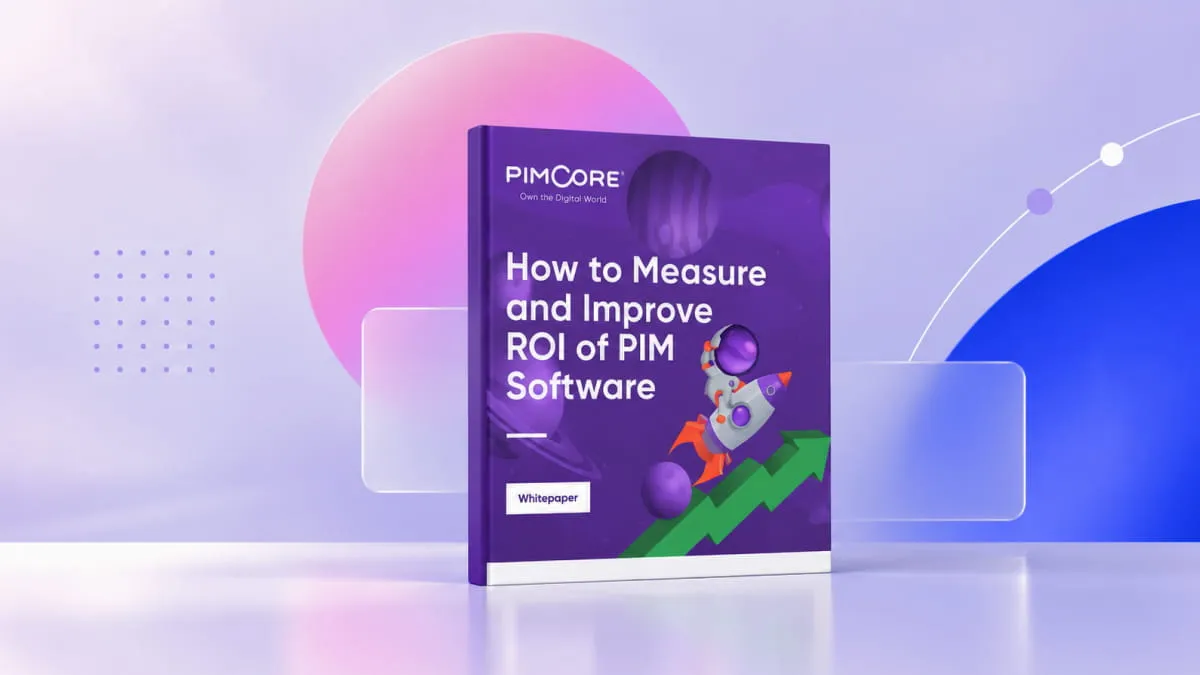
Guide from Pimcore, in English
Calculating the ROI of a PIM project
The guide shows which metrics demonstrate the value of a PIM and how to gather them. This makes it possible to justify a project internally before budget is released.

The demanding part of a PIM project is the question of which attributes you actually need and who is responsible for them. That's exactly where we start, before anyone creates an object model. Once this foundation is in place, rollout to new channels becomes routine rather than the next project.

Frequently asked questions about Pimcore
Pimcore is an open-source platform for PIM (product data), DAM (digital assets), MDM (master data), CDP (customer data) and DXP (content and experiences). All modules run on one platform and can be used individually or combined.
For medium-sized and large companies with complex product data selling across multiple channels. Particularly strong for companies with many products, variants and international markets.
Pimcore connects via REST and GraphQL APIs to Shopware, VTEX, commercetools, Intershop and marketplaces. Product data is synchronised automatically. synaigy handles architecture and integration.
Pimcore is open source and combines PIM, DAM, MDM, CDP and DXP on one platform. Akeneo focuses on PIM, Contentserv on MDM. Pimcore offers more modules at lower licence costs and greater flexibility.
The open-source core (Community Edition) is free. For enterprise functions such as workflows, AI copilot and professional support, there are the Professional and Enterprise editions with annual licence costs.
Yes. Pimcore offers integrated CMS and DXP features: websites, landing pages and personalised content. For complex CMS requirements, synaigy recommends combining it with Storyblok as a headless CMS.
synaigy combines Pimcore with commerce platforms, cloud operations on AWS and OVHcloud, data analytics and UX design. Not just PIM implementation, but full service: from data architecture to managed operations.
Evaluate Pimcore as PIM and DXP for your company now
30 minutes to find out, with no obligation, whether Pimcore fits your system landscape.
Please accept the corresponding cookies to view this embedded content.