
Efficiency automation: automate repetitive processes, free up resources for what matters
In many companies, manual routine tasks tie up valuable capacity that's then missing for more strategic work. We identify automation potential in your processes and implement it with the right tools, pragmatically, quickly effective and without system breaks.

Efficiency automation
Automation that follows your processes
Manual routine tasks cost many companies hours every day that are then missing elsewhere. The frustrating part: the data is already available digitally, the processes could be automated. But without clear prioritisation and technical implementation, nothing happens.
That's why efficiency automation for us doesn't start with a tool, but with your processes: where does manual work cost the most time, where do errors arise, where is the biggest lever? The result is a prioritised roadmap, not a jumble of automation.




LET'S TALK!
Which routine task costs you the most time?
Find out which processes in your company have the greatest automation potential: enquire now, no obligation.
What efficiency automation can do for your business
Less manual work, more capacity
Routine tasks that tie up your teams today run independently after automation. Your staff gain time for tasks that truly require judgement.
Systematically eliminating sources of error
Manual processes are error-prone. Automated workflows run consistently, documented and auditable, without dependence on daily form or availability.
Schnelle Wirkung durch gezielte Priorisierung
We first identify the processes with the greatest leverage. This way you achieve measurable results before the full automation potential is exhausted.
Integration instead of silo solution
Automations are cleanly embedded into your existing system landscape, compatible with your tools, scalable and maintainable long-term.
References
Automation in practice
Projects showing how automated processes free up capacity: in service, in sales and in the customer portal.

The best indicator of automation potential is surprisingly simple: wherever people transfer data from one system to another, a company is wasting time. That's exactly where we start.
How you get to an automated organisation
Process audit & potential analysis
We analyse your processes in a structured way: which processes cost the most time? Where do errors arise from manual steps? Where is the leverage greatest?
Prioritised roadmap
The analysis produces a roadmap by effort and impact. You'll see in advance which automation pays off first.
Implementation & integration
Implementation uses established platforms, cleanly integrated into your existing system landscape, maintainable and without new silo solutions.
Operation & Expansion
Automations are monitored, fine-tuned and gradually extended to further processes. Efficiency becomes an ongoing programme.
Efficiency that can be measured
What automation concretely achieves, our projects show.
2 weeks
through to automated order acceptance
With BEBO, AI frees up back-office staff from typing out B2B orders
3 months
instead of ten years of SEO work
How strongly AI compresses content work in the Grube KG project
8 hours
recovered per week and team
LIVE EXPERIENCE
Automation you can touch
Two real-world applications that show what automation looks like in everyday use.
Demo
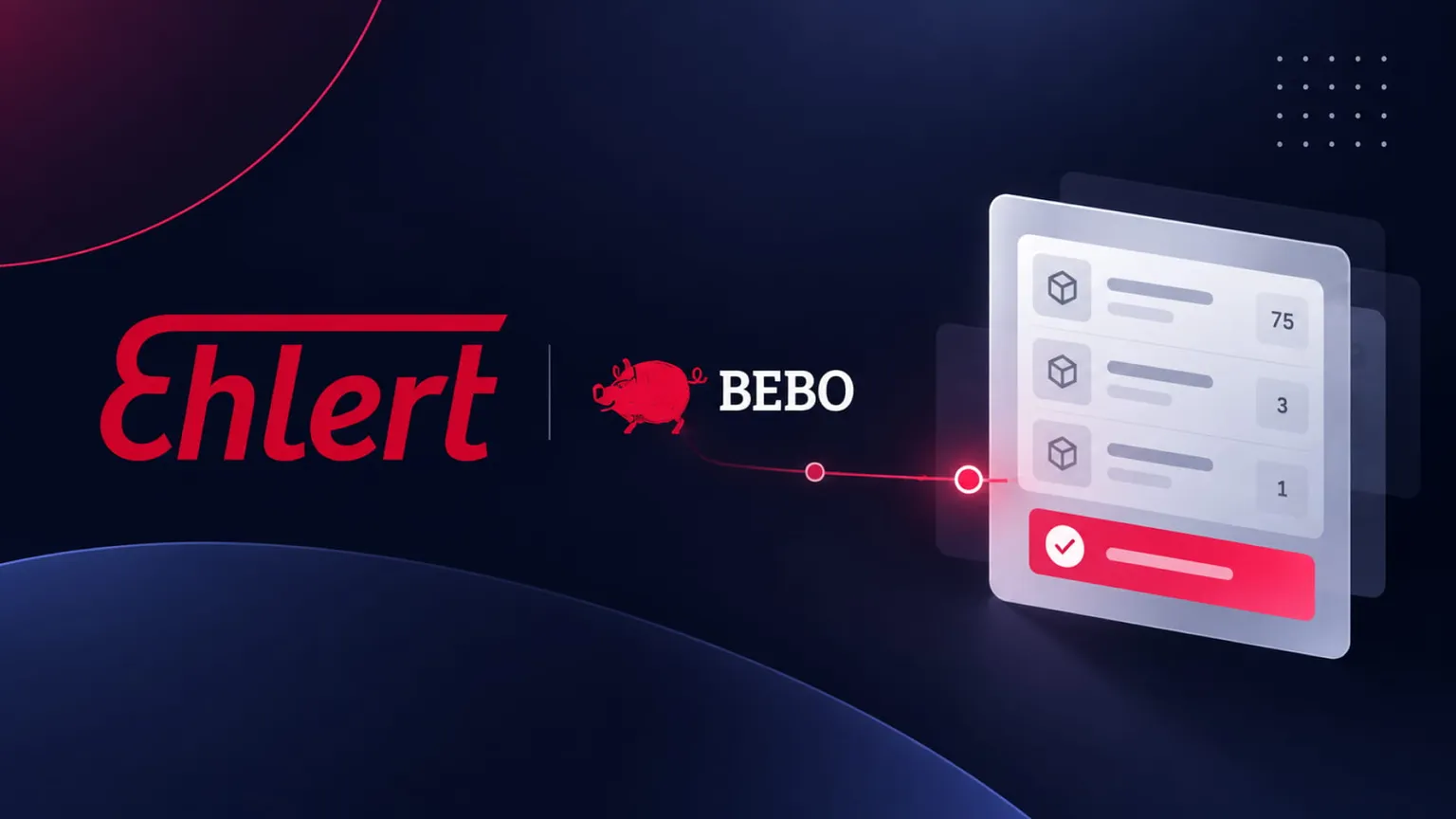
BEBO: automated B2B order acceptance
Frees up inside sales from manual data entry with AI: BEBO processes incoming B2B orders automatically. Live demo from the Ehlert environment.

Demo
Ehlert Chatbot
The next step in automated customer interaction at Ehlert. PLACEHOLDER: available from September, link to follow.
Frequently asked questions about Efficiency Automation
Particularly suitable: recurring tasks with digital data and clear rules. For example, data maintenance, approvals, reporting, order and complaint processes, or handovers between systems. The process audit clarifies whether a process is worthwhile.
We work technology-agnostic with established automation and integration platforms and connect them to your existing systems, whether ERP, CRM, shop or CMS. The selection is based on your system landscape, not the other way round.
Prioritise by leverage, start with processes show quick impact. First automations often live within few weeks, expansion follow step by step.
No. Automation takes over repetitive routine steps, freeing your teams' time for tasks that require judgement and customer contact. Critical decisions remain with people.
Every automation is documented, monitored and integrated into your system landscape instead of being run as an isolated solution. This keeps what runs automated traceable, and adjustments are possible without rebuilding from scratch.
The effort depends on processes and system landscape. We deliberately start small: with a process audit and a clearly defined first use case. That way you see the benefit before you scale.
LET'S TALK!
Discovery call: from routine task to automated process
Our joint initial discussion: we sort your processes by effort and impact. Afterwards you know where a pilot can realistically start.
Please accept the corresponding cookies to view this embedded content.