

Pattern Library
Develop efficiently with design systems and create consistent user experiences
4 min read

Digital design today must not only be efficient to apply but also scalable. We use more and more digital touchpoints, and these need to be maintained ever faster by ever more teams – some team members are internal, others external. Consistent user experiences across all touchpoints deliver the best possible outcome for users and organisations alike. Adapting or completely renewing these experiences can become very costly.
A Digital Design Pattern Library makes this easier – a design system that provides working, tested code. All key digital elements are broken down into their smallest possible units and made available as frontend code: from the search icon to the CTA button to the login.
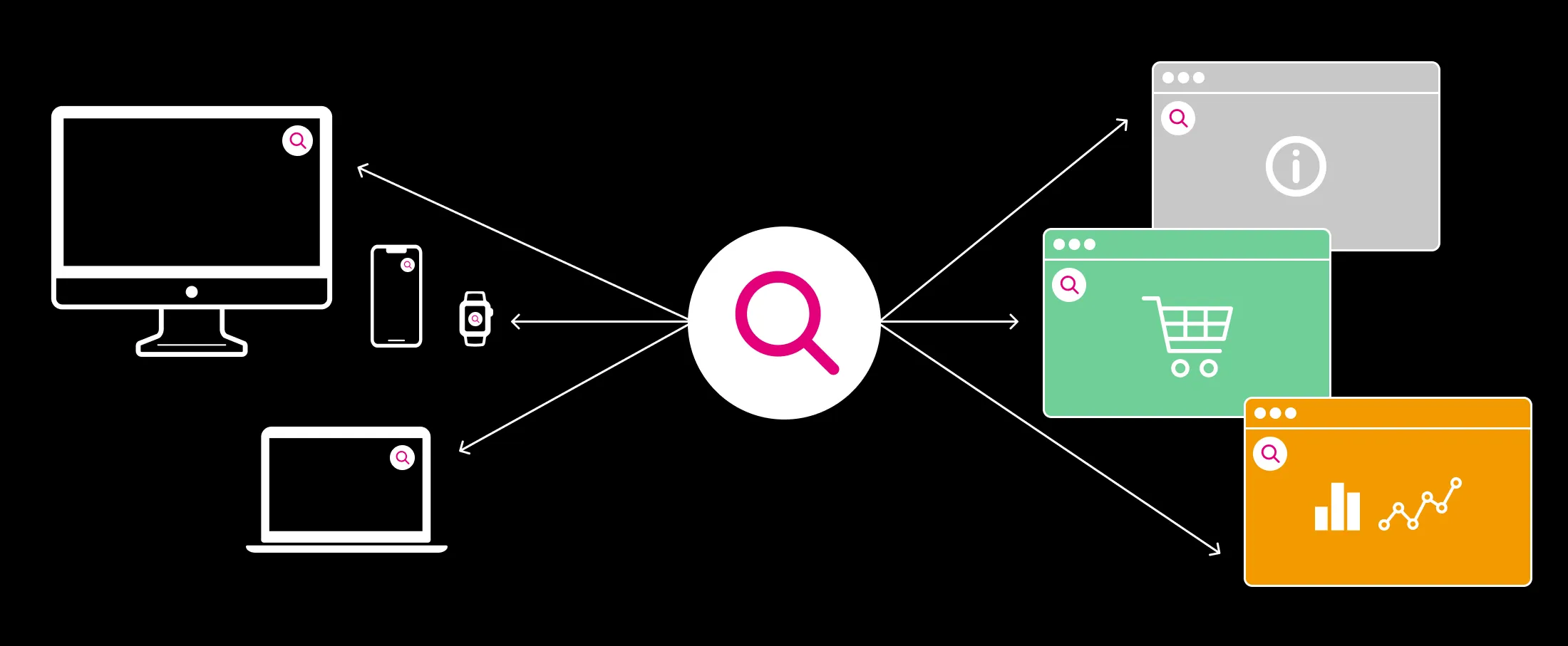
The Challenge of Digital Design
At large organisations, many creatives – internal and external – work continuously on digital interfaces. Similar tasks are repeatedly solved in different ways. This creates inconsistencies. These weaken the brand experience, harm the user experience and make services harder to use. On top of that, repeated development costs time and money again and again.
A classic brand portal depicts the design in its various forms. It is therefore an important reference point for all design work and for handling corporate identity and corporate design. However, standard brand portals do not depict the code behind the digital design elements. Current code is therefore not available for new developments.
A digital design pattern library, or design system for short, solves this problem. It enables central development by providing UI elements, modules and templates centrally. These can then be consumed securely across projects by everyone who needs to work with them. Nothing gets lost, nothing gets built twice.
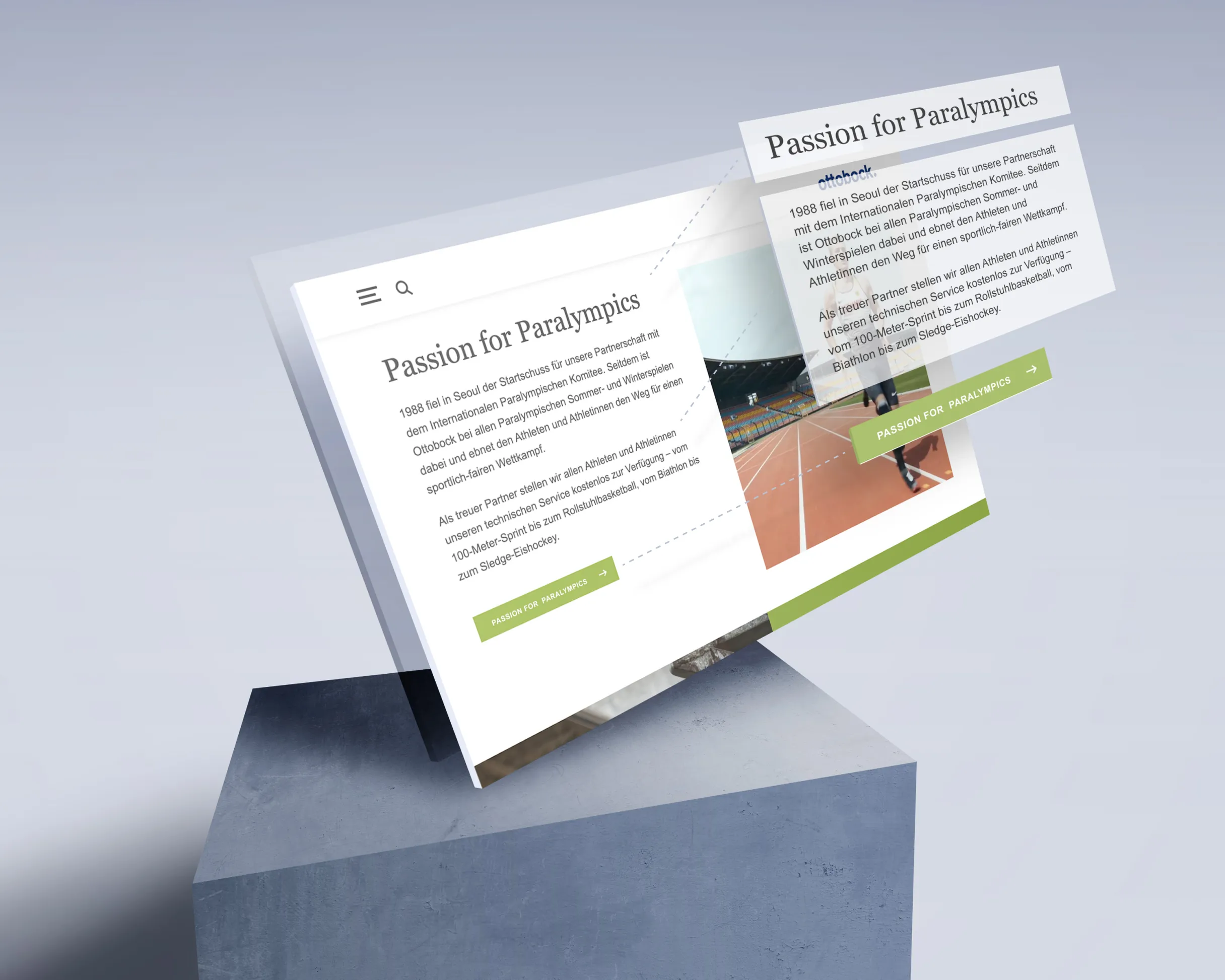
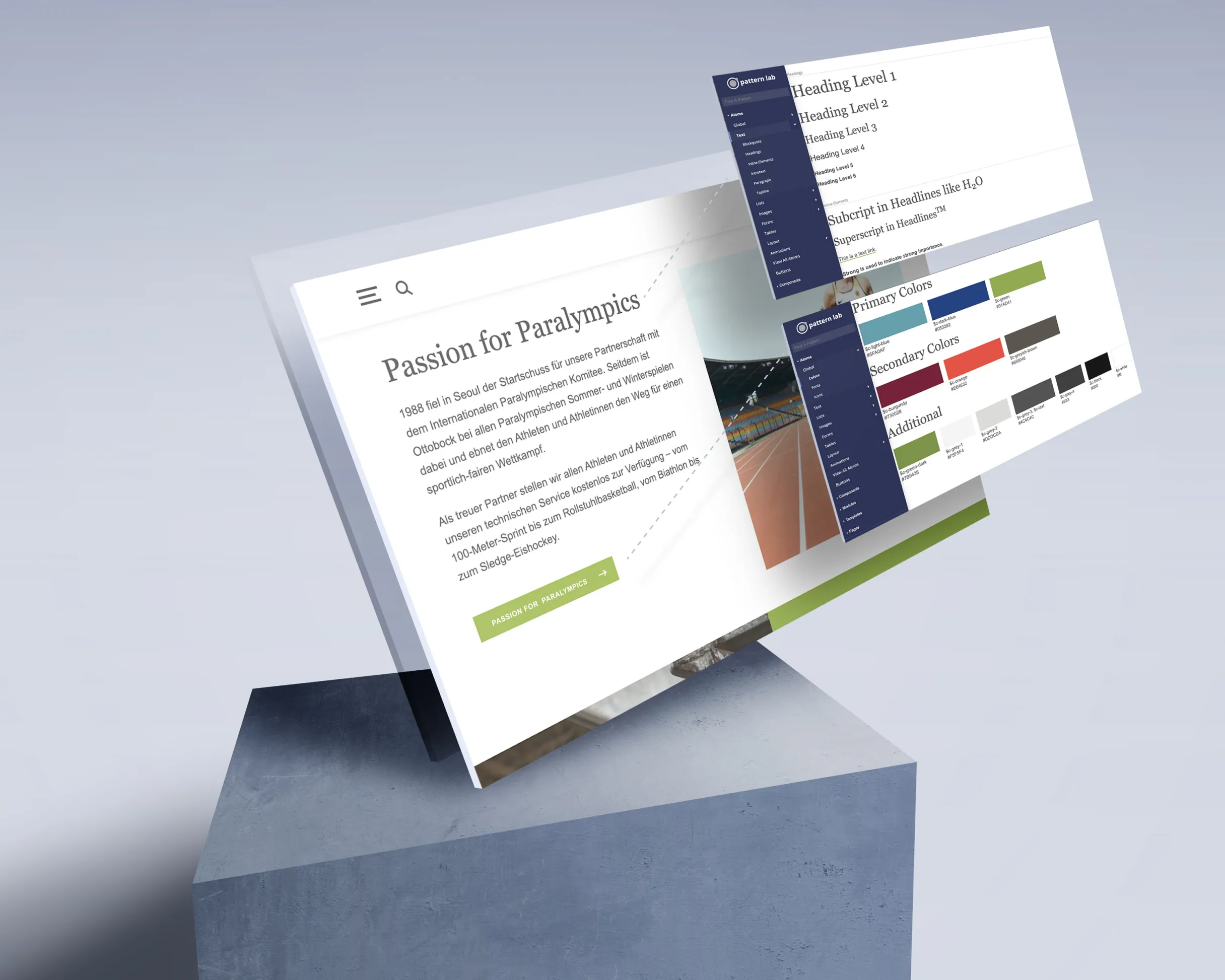
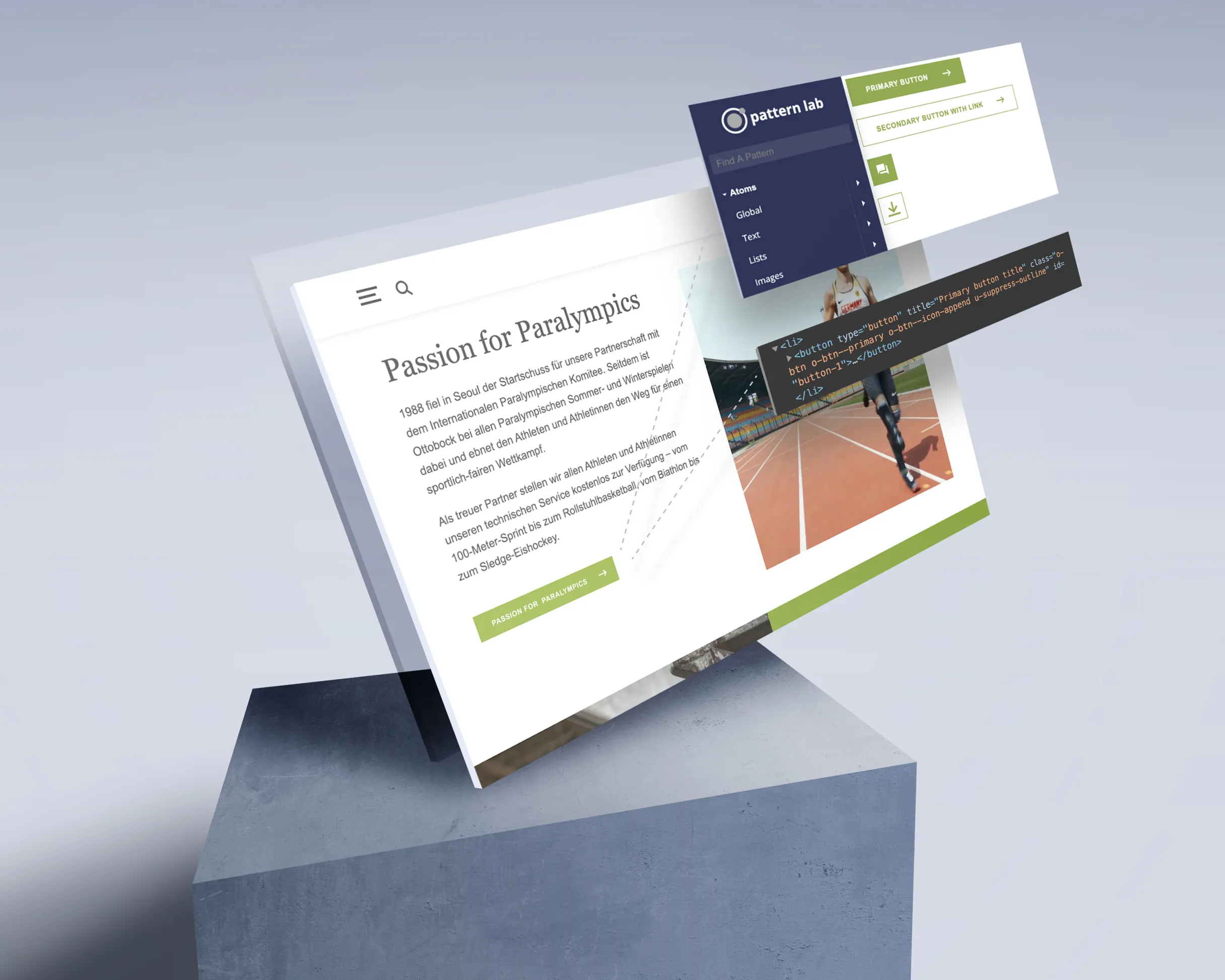
3 steps from corporate design to design system
Benefits: measurably efficient and convincingly high quality
A Digital Design Pattern Library is not merely a solution to a problem. It also delivers cost reductions, quality improvements and drastic increases in speed. Costs will fall, because everything that is developed is only paid for once and can then be used as often as needed across the widest variety of applications. Quality is improved because a uniform and consistent user experience is ensured for all digital projects. In addition, a central, verified code base for frontend implementation exists for the future. Speed is increased because what has already been developed is used directly and easily as a robust basis for new developments. This applies to all current and future applications, from customer portal to app.
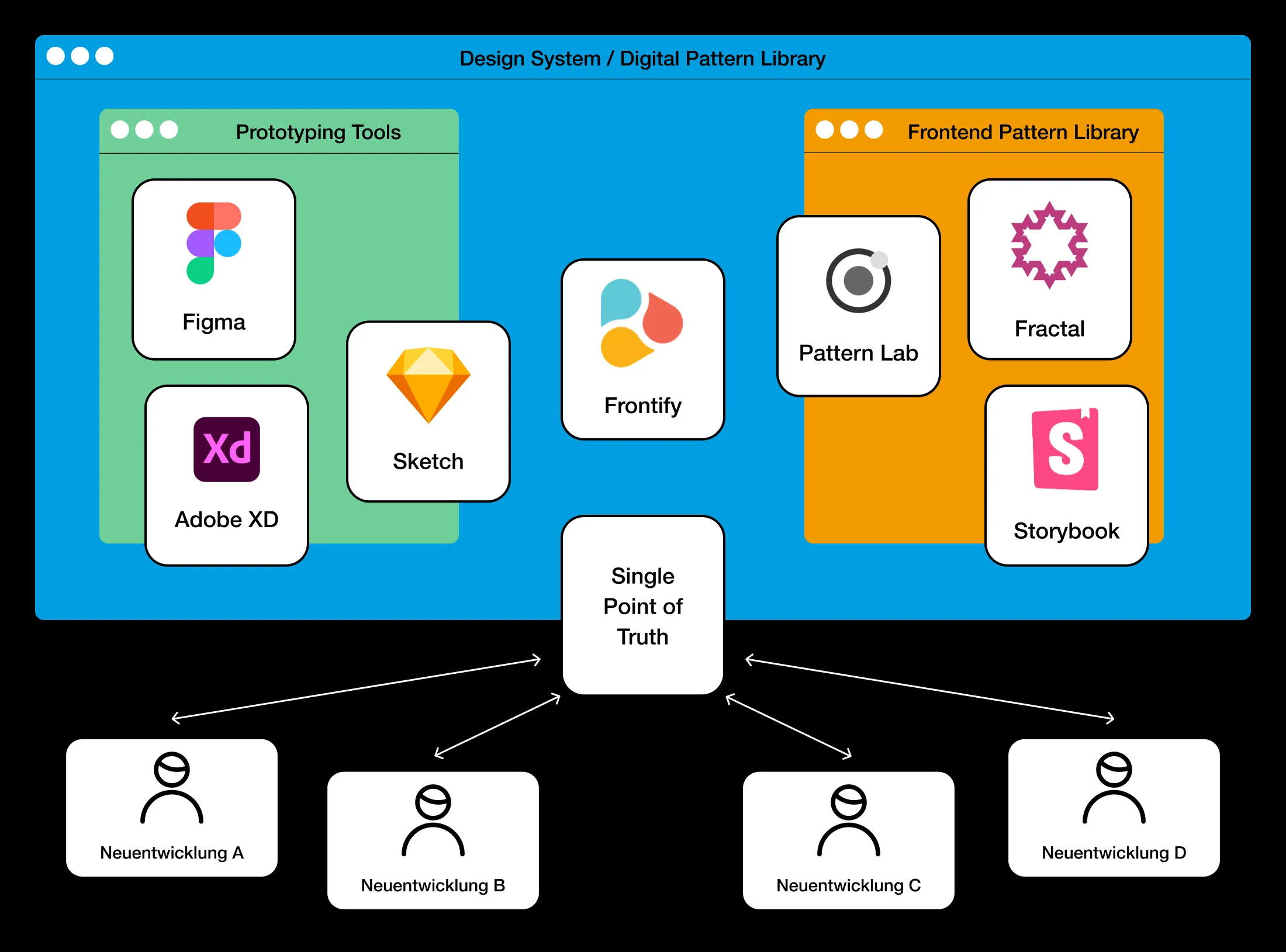
But a change is also noticeable in the teams' work: at last there's a single point of truth: a constantly up-to-date collection of information that brings together all key elements and applications in one place. Design and code go hand in hand: the digital design – from the button through to the log-in function – is mapped out graphically, with tested code stored alongside it. This changes the workflow: genuinely new things get developed, not the same thing again. All developed components are prepared and made accessible for reuse by everyone, so everyone can focus on developing new things. And finally, there's the holistic view: new developments are fed back into the system in a controlled way, ready to be made available to everyone again in future.
How do you start with a design pattern library?
Implementing a digital design pattern library is best started with a one-day requirements/scoping workshop. The key questions should be clarified: who works with the library? Where are problems and costs currently arising? What overall strategic direction should be pursued?
The results feed into defining scope and timeline: possible work packages are defined, priorities set. After that, setting up the Digital Design Pattern Library can begin.
Your contact
- Marian Gertheim
Consultingsynaigy
Show phone numberShow email address