

Internal communication
6 min read
Why shouldn't what works in external communication also be a viable approach for internal communication? User-centricity is the often-cited but still far too rarely heeded strategy. That means understanding the needs of the recipients – here, the employees – and putting them at the centre of communication with substantial content. That's what matters.
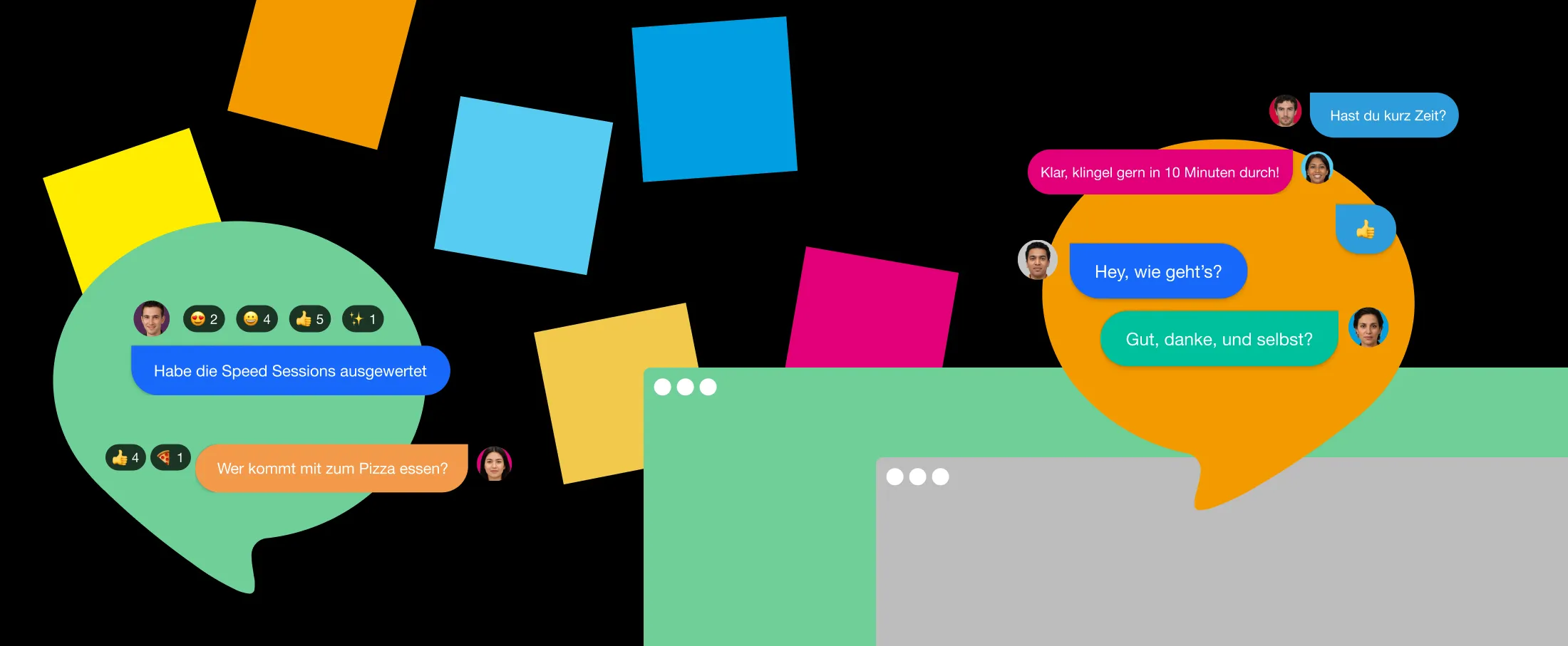
What empathetic corporate communication can achieve internally
"Management informs" – once a popular motto for the staff newsletter. But the days of top-down communication with the attitude "those up there tell those down there where to go" are long gone. So how do you get into conversation with employees, how do you place your messages, how do you achieve your communication goals? Quite simply: honestly, transparently, relevantly – and all at eye level.
And it works. Whether it's about information and knowledge exchange, surveys, change and crisis management or success stories. Good internal communication creates orientation, security and trust. Your company earns the loyalty and motivation of its employees through this. And not least, functioning internal communication also delivers the talking points for colleagues' personal exchanges. This "grapevine" can in turn be picked up and moderated by the company. Communication conceived and made this way supports you in strengthening your brand internally, working together on the brand narrative, and thereby also coming across more credibly and vividly externally.
An open, lively internal communication ensures an authentic corporate culture, which is also perceived by your customers and the public.
Good internal communication holds international companies together
Many of our mid-sized B2B customers have grown strongly in recent years and have built production and sales sites all over the world. This new global set-up with considerably more complex structures brings communicative challenges: how do you create and maintain a unified corporate culture under these conditions? How do you manage to involve all employees*? How does effective and internationally beneficial knowledge transfer come about?
This is where a well-organised editorial team with sufficient capacity comes in. Here the rule is: the "full-time" editors and authors provide the basic content flow and set varied impulses. If this motivates as many colleagues as possible to jump on this "content train", it gets really exciting. Because then an active, diverse and therefore interesting internal community emerges – and the employees* become brand ambassadors themselves.
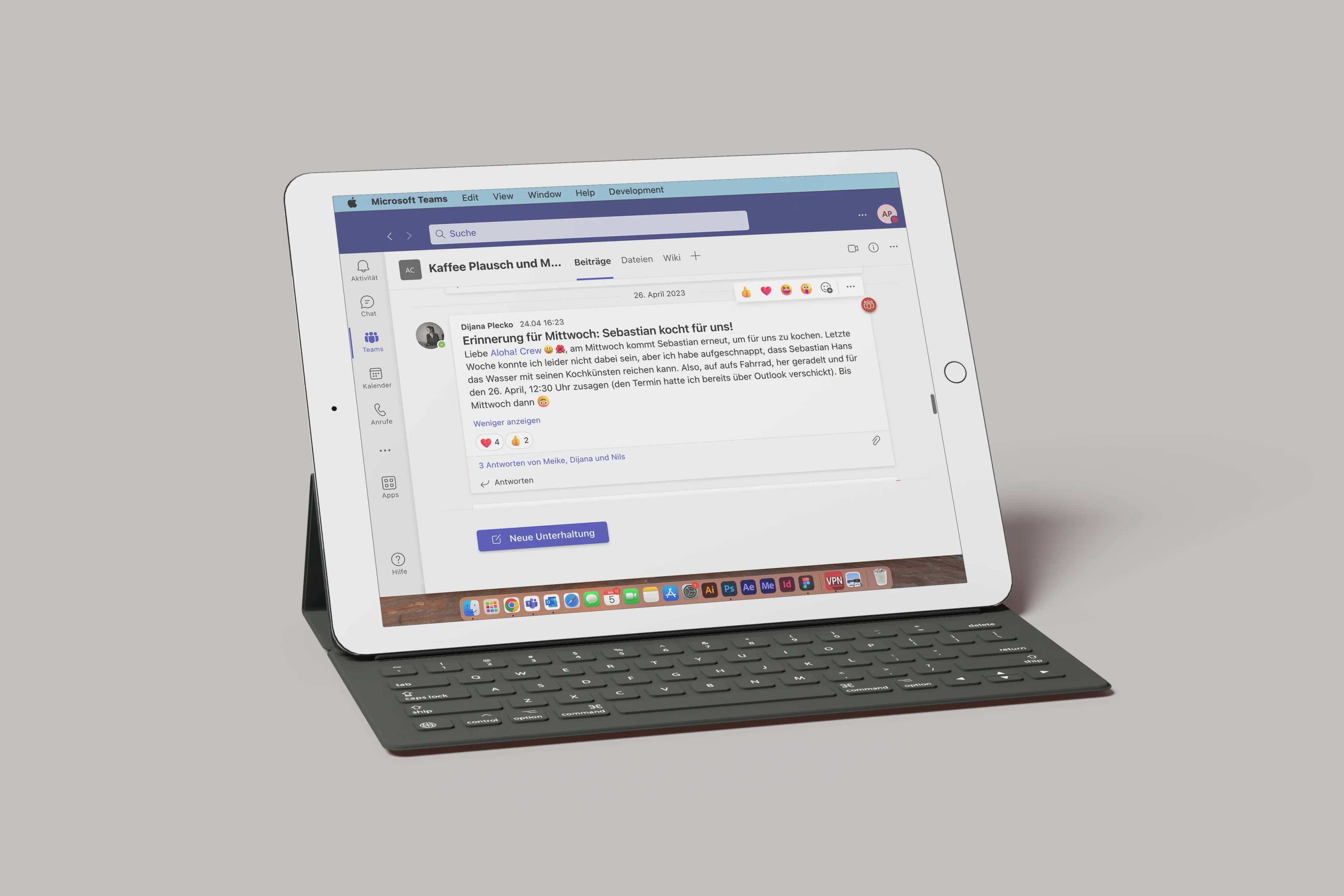
The intranet as the heart of internal communication
The linchpin of lively internal communication is a technically mature intranet with diverse ways of presenting your content. And we're not just saying that because we're a digital agency: only with this medium as its engine do you communicate in real time – fast, current and dialogue-driven. Alongside the browser version for classic office use, offer your colleagues a mobile app too. Place stations with intranet access in high-traffic areas such as the entrance and canteen. And for quick everyday information exchange, provide a GDPR-compliant instant messaging tool. This way you also reach and connect all colleagues without a computer workstation or those out in the field. A social intranet equipped like this becomes the heart of your brand. When it beats strongly on the inside, your company shows a healthy face to the outside.
Analogue elements of your internal communication
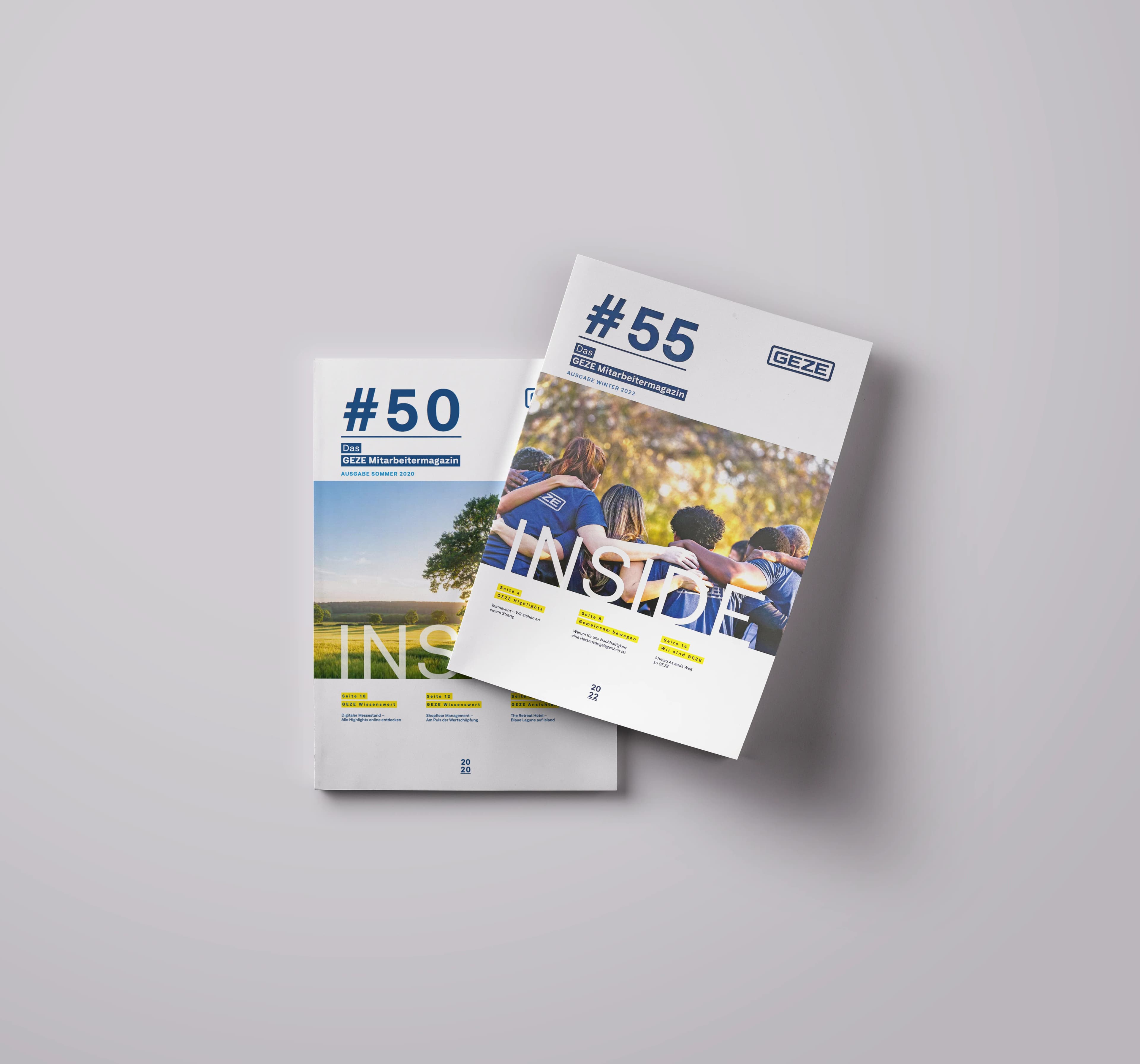
Print media and other analogue formats are also far from obsolete: high-quality employee magazines or newspapers offer space for sophisticated corporate journalism and convey genuine appreciation. The good old notice on the pin board can still have its place too. And of course personal gatherings such as anniversaries, tours, focused discussions or workshops must not be missing from the communication mix. These events in turn provide occasions to report on and discuss in the other channels.
Integrated communication creates synergies
When planning, consistently pursue an integrated approach. In other words – bring the different communication disciplines together, because everything is connected to everything. Try it out: we are glad to bring marketing, corporate communications, HR or sales together at one table for you. In a workshop moderated by us, everyone jointly works out, for example, tailored collaboration within an editorial tool. Get out of the silos and into the shared newsroom! All trades benefit from this. In addition, cross-media dialogue with colleagues also enriches your content planning. Continuous exchange generates new ideas for relevant internal and external communication.
In summary: 5 tips for building your internal communication
Always at eye level:
Communicate in a user-centred and empathetic way at all times. Top-down is a thing of the past.
Tailored media mix:
Think carefully about which channels your colleagues need and get good advice when choosing tools. There's no one-size-fits-all solution.
Analogue lives on:
A high-quality employee magazine conveys appreciation, and notices on the noticeboard can still be a pragmatic part of the media mix. And please don't forget personal formats.
Diversity and dialogue:
Not only your editorial team should create varied content. Active contributions and posts from employees are explicitly welcome. Communication isn't a one-way street.
Leveraging synergies:
Bring all stakeholders in the communications area to one table. Out of the silos – learning from each other is key.
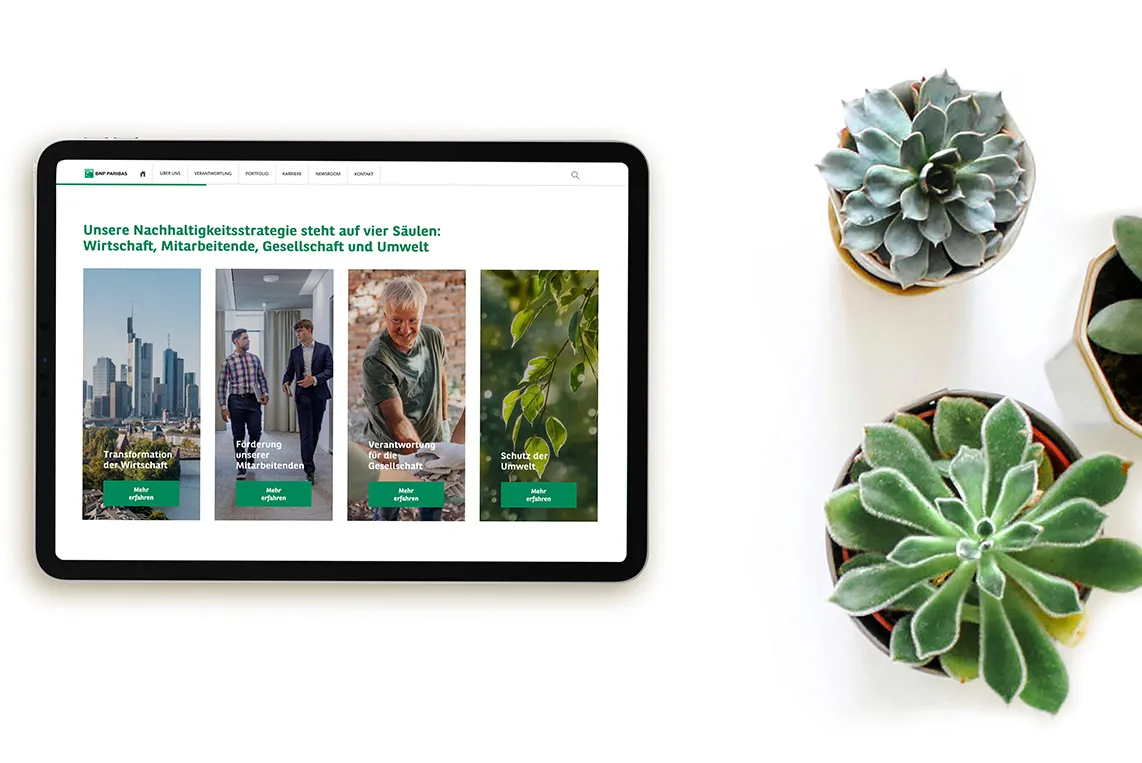

Ideas for your internal communication topic mix
Varied topics and formats are the spice in the soup of your intranet and other channels. Drawing on our experience with our own highly dynamic internal communication, here are 10 proven inspirations for you:
Interesting, authentic news, reports, features and interviews (text, image, video formats)
Portraits of (new) colleagues and their roles
Collection of special skills from colleagues who are happy to help
Internal job openings
Activating presentation of training and development offers
Useful tips, hacks and tutorials for common tools and processes
Surprising quick facts about the company
Original photo impressions from everyday work life
Introduce projects, new business wins, customers, or simply say "thank you"
Inspiration from the wider industry environment
Your contact person
- Marian Gertheim
Consultingsynaigy
Show phone numberShow email address