



The transformative power of design systems: consistency and efficiency for the digital age
In this blog post you'll get to know the "design system" - an indispensable tool for digital product innovation. You'll learn what a design system is, how it supports you in maintaining consistency and efficiency, and how it can help your brand reach its full potential in the digital age.
 Grimm BenedictHead of Frontend · synaigy
4 min read
What is a design system?
Design systems are indispensable tools for getting the best out of digital products and experiences. Given rapid technological development, companies need consistency and efficiency when creating new digital product offerings. Design systems provide standard solutions that foster innovation, preserve brand identity, deliver an optimal user experience, and help teams develop components faster and more efficiently.
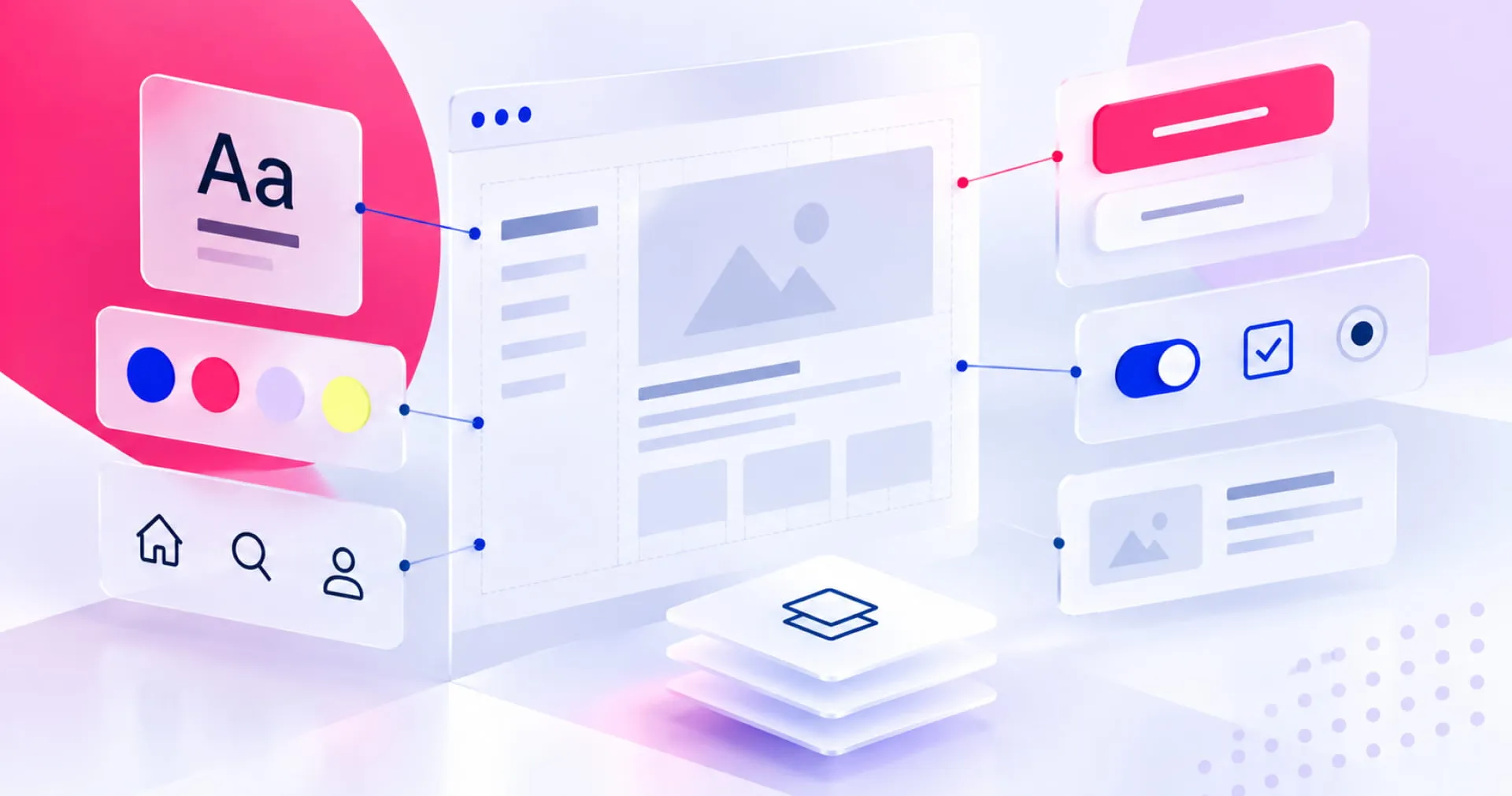
A design system is a collection of reusable components for creating digital products by design and development teams. It comprises a library of UI components, visual styles, patterns, code snippets and design guidelines. These elements are used to ensure a consistent brand experience across different projects and contexts.
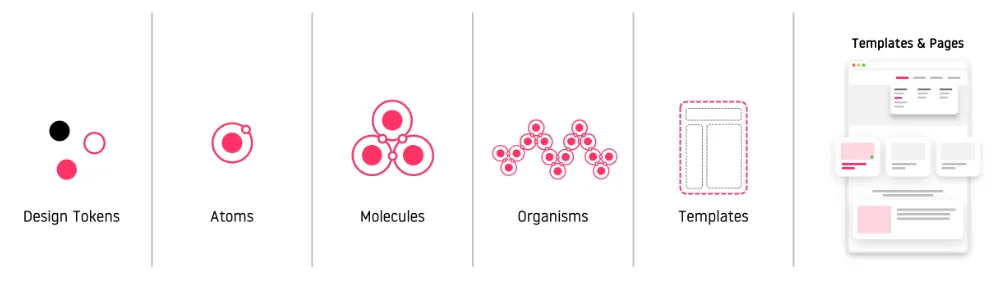
Roots of design systems as we know them today go back to Brad Frost and his groundbreaking work with Atomic Design. Frost introduced concept of Atomic Design in 2013, methodology based on idea that user interfaces can be broken down into hierarchy of components, similar to how chemical elements are divided into atoms, molecules and organisms. This concept revolutionised way designers and development teams create and manage user interfaces.
Today we see the evolution of design systems in platforms such as Figma or component-based frontend technologies like React, VueJS or Svelte. These platforms and technologies offer a range of tools and features for building, maintaining and scaling design systems. Figma in particular has fundamentally changed how design systems are implemented and used. It provides a centralised platform where teams can assemble, share and test designs in real time – taking the principles of consistency and efficiency that Frost introduced with Atomic Design to a new level.
Advantages and business benefits of a design system
Design systems offer a wide range of benefits that go far beyond pure visual appearance. First of all, they help ensure consistency across different products and platforms. This leads to a coherent brand experience, which in turn increases users' trust in your product and results in higher conversions.
Beyond that, design systems offer a significant efficiency boost for your product team, as they make it possible to use reusable components instead of designing and developing every layout from scratch. This leads to a substantial reduction in design and development effort and, ultimately, a faster time to market for your product.
When a design system is properly embedded in your product teams, another important benefit emerges: collaboration within your teams becomes significantly simpler. This happens primarily through defining a shared "language system" that all team members can refer to. This also makes a design system an excellent tool for onboarding new team members. It provides a clear and easily accessible source of design principles and guidelines, helping new members become productive more quickly.
Overall, design systems help improve the quality of your products, increase the efficiency of your teams and ultimately boost their competitiveness in the market. All of this makes them an indispensable tool in digital product development.
Implementation of a design system
Implementing a design system is a multi-stage process that often begins with the digital adaptation of your brand's visual identity and extends to the documentation and further development of design components.
It's not just a technical task but also an organisational challenge. A design system should be developed and maintained by an interdisciplinary team that includes designers, developers and product managers. The system should be designed flexibly enough that it can evolve alongside the needs of the company.
Rolling out a design system demands investment in time and resources and presents organisations with a range of challenges. Close alignment is essential, and it is crucial that stakeholders support the project objectives and can make clear decisions. Likewise, integrating existing brand identity into the design system is a demanding task, as simply transferring corporate design often proves insufficient. The new system must be accepted and used by the teams involved, which requires clear communication and, where necessary, training. These challenges can, however, be effectively mastered with an experienced partner such as synaigy and, in sum, offer long-term benefits for your organisation.
Conclusion
Design systems are powerful tools for creating consistent and efficient digital products and experiences. From providing standard solutions that drive innovation to preserving brand identity, design systems can help brands realise their potential in the digital age. Ultimately, they give companies the opportunity to create impressive designs with fewer resources in a short time. If your company has not yet introduced a design system, now is the time to gain clarity on introducing such a system.
Get advice from experts who know how to implement a design system that meets your company's individual requirements. Simply get in touch with us.
Have questions or feedback?
Then feel free to contact us directly.
- Grimm Benedict
Head of Frontendsynaigy
Show email address

Subscribe to the blog now and never miss any news
✔️free of charge ✔️weekly news ✔️expert knowledge
Please accept the corresponding cookies to view this embedded content.