

Digital Trends 2020
7 min. reading time

As a digital agency, we deal with corporate websites, company portals and digital applications every day. We asked our 80 experts which trends they are currently observing in this context and which of these will be particularly relevant in 2020. We have summarised seven key trends for you here.
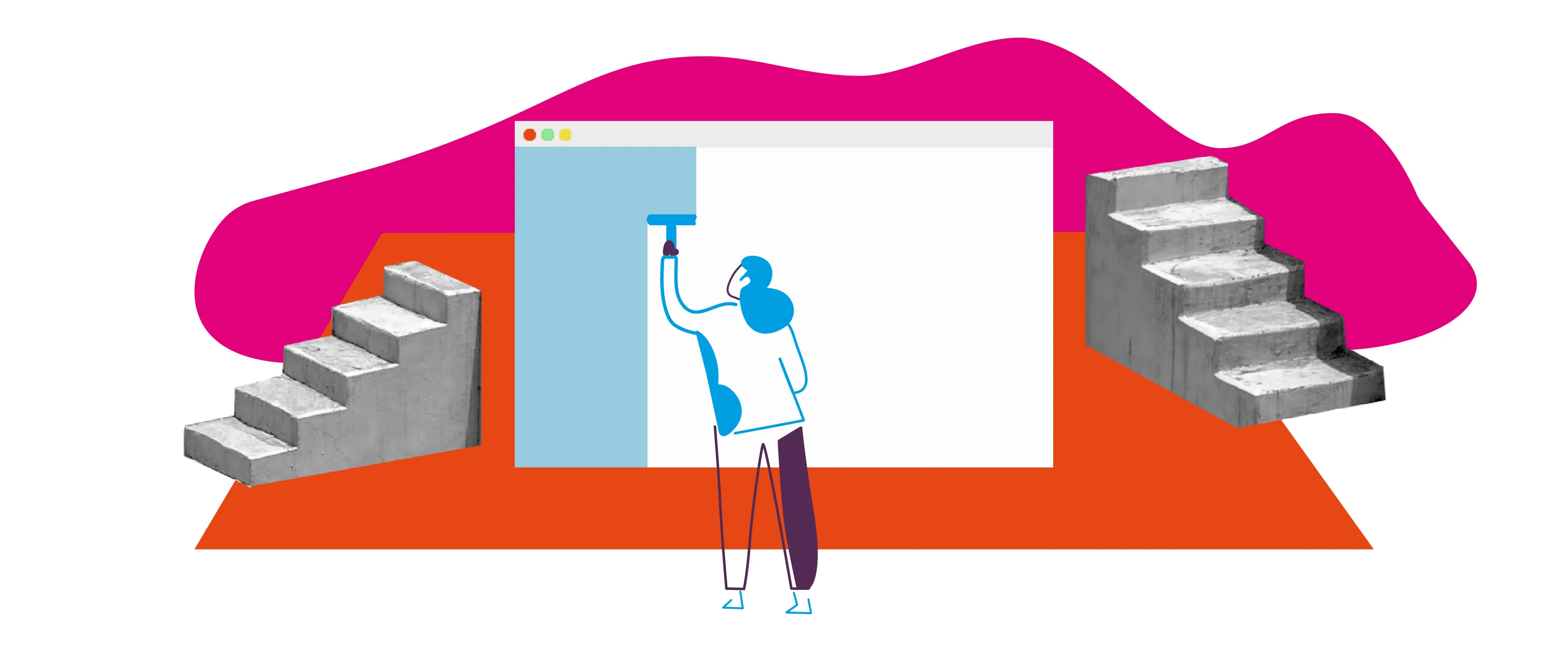
Never relaunch again! Continuous development replaces the singular relaunch project
Fewer and fewer companies are putting out tenders for the one big website relaunch. Large companies are usually too complex for the entire corporate website to be rethought and developed from scratch within one to two years. Yet the need to optimise the digital landscape arises in many places: product updates need to reach digital systems faster, colleagues in recruiting want a better digital application process, and the marketing team wants a redesign of the navigation.
We help our clients tackle such challenges holistically through a continuous relaunch. That means, building on a solid technology platform, we progressively develop our clients' digital ecosystem further. We run such projects using agile methods. This lets us bundle extensive user experience enhancements into manageable work packages and work through them step by step. That reduces complexity and increases the speed at which improvements become visible.
Another advantage is that we can react quickly to changing requirements. The continuous relaunch lets us stay capable of acting even on very large projects, without being paralysed by their scale. We have good experience with this approach for internationalisation across many of our clients. We start with the most important countries and markets and gradually open up further country pages or language versions.
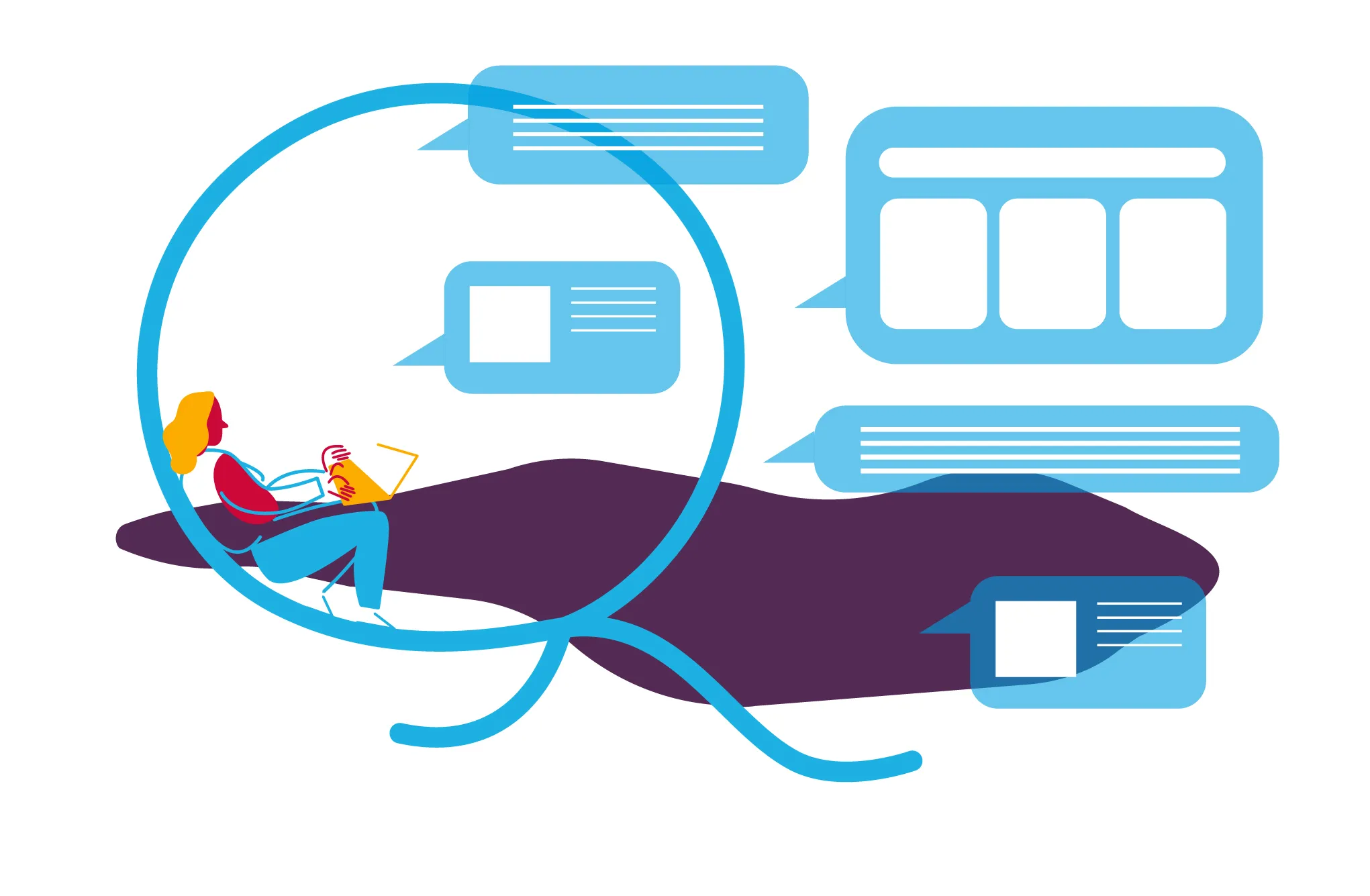
The next generation of content management: Headless CMS & Hybrid CMS
Those who want to prepare for the future should be prepared for change: our digital channels, devices and usage contexts are constantly changing and evolving. Understanding, using and maintaining them all sensibly is laborious work for companies: often several editors in different departments are busy looking after the various channels.
This is where the idea of headless content management systems comes in. A headless CMS lets you create, read, update and delete content centrally, without dictating the content presentation or layout (i.e. Without a head).
The respective channels meant to display the content – websites, apps, social media, user interfaces for operating machines, intranet, etc. – are responsible for the presentation to users. Each channel pulls the content via an API. This means editors can create, update or delete content in one place, and the content then changes everywhere across the company's digital ecosystem. An event announcement, for example, can be created centrally in the headless CMS. The announcement text is then published directly on the website, in a newsletter and, for instance, on LinkedIn – without three different systems, departments or people needing to be involved.
For users, this means a good user experience, no matter where they encounter the relevant content. Mixed forms of headless and traditional CMS are called hybrid CMS. These forms of content management will continue to gain relevance in 2020, as they reduce redundancies and can react more flexibly to new touchpoints and other changes in the future.
Post-Greta websites: digitalising environmental awareness
The neo-ecology megatrend touches every area of our daily lives. If forecasts are to be believed, neo-ecology will be the most important megatrend of the coming decade. Not least Greta Thunberg has carried the topic into the furthest corners of society. Forward-looking companies are therefore giving the topic a new status at the latest now, and are acting environmentally consciously online too. It's no longer enough to report on waste separation within the company under a "sustainability" menu item. In 2020, the proclaimed environmental awareness must also be carried over into the company's digital assets. Companies must answer questions such as: where are our servers located? Where does the electricity powering them come from? Are our digital applications developed with resource efficiency in mind? How much electricity does a visit to our website cost? How much digital waste do we produce?
The goal for many organisations is: the climate-neutral website. On the way there, organisations need not just efficient digital applications, but holistic process consultancy.
War for Talent 2.0: the digital fight for skilled workers becomes the acid test
Companies are finding it increasingly difficult to recruit qualified staff. Some lure candidates with benefits such as beer fridges and ball pits, others simply pay twice as much as the competition. Companies also need to invest seriously in the digital sphere to remain competitive in the race for good employees. And it's not just about ball pits and a good offer.
It's about identity. About values and humanity. About working models and a company's own definition of "work".
Today's well-educated young professionals no longer choose their employer based on salary and company car alone. The new generation wants to create meaning, feel seen and valued, get involved, and change the world. Corporate communication has to explain to candidates what the company stands for. In our study on career websites of various companies, we found that far from all of them are geared to the mobile, globalised lifestyle of the new workforce. We expect that the careers sections of corporate websites will continue to draw significant attention from both candidates and leadership in 2020.
Dream pair of the year: SEO ❤︎ UX
We still encounter confusion and half-knowledge when it comes to search engine optimisation (SEO). Keywords need to go somewhere, and that's a bit technical too, right? SEO means optimising websites for users – not for Google. Without good UX, there's no good ranking in search results. We've gathered more on how SEO and UX go together here.
Fancy finding out more about interactive tools?
Join the team bring a project to life subscribe to newsletter
User research stays human
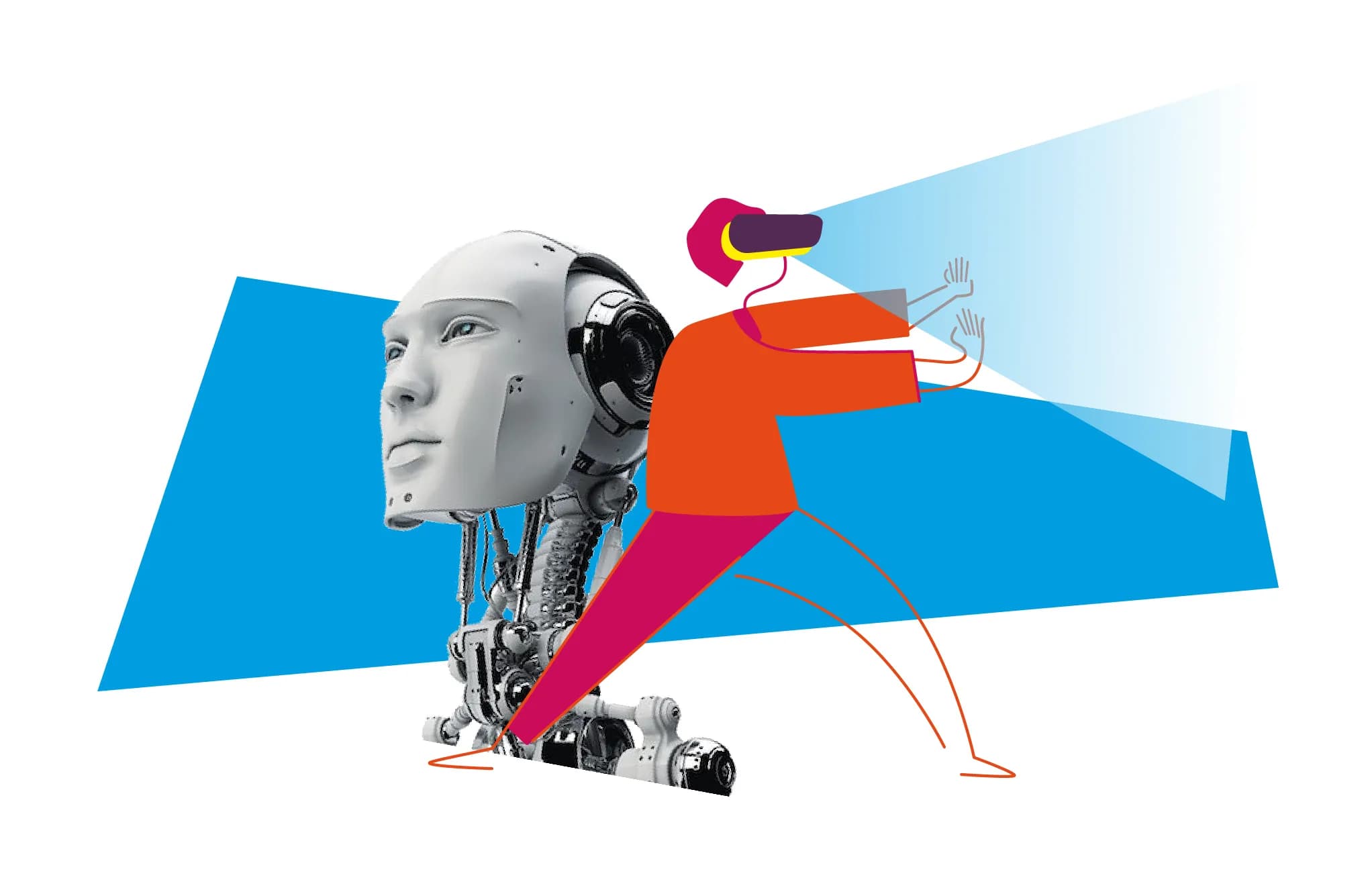
AI technology or artificial intelligence is often touted as a digital miracle cure. There are now providers who promise user-centricity through AI: algorithms that scan designs and prototypes and assess how user-friendly an application is. From our years of experience with user experience testing in our usability lab, we know that nothing can replace the eye of a person from the target group. Artificial intelligence can't furrow its brow when a button doesn't work as expected. Artificial intelligence can't describe what mood a website creates. The most important thing in user research is people, because we develop digital applications meant to be used, understood and liked by people. An AI scanner can at best deliver an initial check, but it won't replace user research with real users.
Design systems: communicating digitally in a consistent and efficient way
Hardly any buzzword was used and misunderstood as often in 2019 as design systems. Still, it's worth understanding what the hype is about, since large organisations will not be able to avoid developing their own design system in the long run.
What is a (digital) design system?
A design system is a digital collection of reusable components with defined rules, principles and constraints for a company's design development.
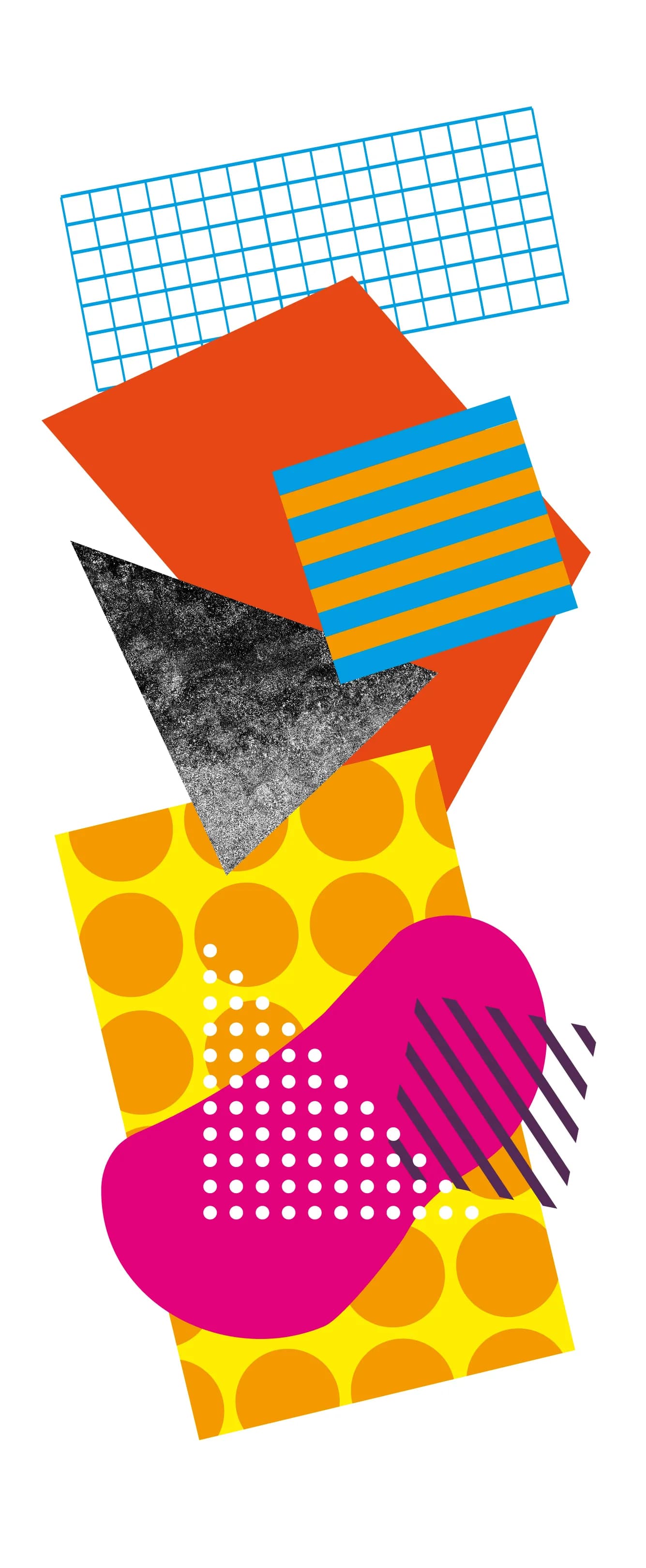
Design systems consist of building blocks or atoms [colours, fonts, buttons, icons], a pattern library [modules, components, templates], as well as rules or principles [for design, animation, technical implementation]. They differ from classic design manuals in that, alongside universal principles, they also define user interface and code components.
A design system governs branding, colours, tone of voice, typography, animation and data visualisation. Used correctly, a design system ensures consistency of design and code across all of an organisation's digital applications – and thus a unified user experience. Applied correctly, a design system is the single source of truth (source of truth) for creating and presenting digital products.
How many different buttons exist in your company's digital cosmos?
From experience with our clients, we know large company often use many different buttons, logins and other user interface elements across its digital channels. As result, campaign microsites feel different from corporate website, interfaces for end customers differ from those for employees, and product system has completely different look again.
Here, benefits of design system become visible: login screen can be created centrally in the system and deployed wherever company wants to offer a login.
Developing a design system saves huge amounts of development and design effort long-term – whether in agency costs or in-house capacity. New apps and other digital applications don't need to be conceived and built from scratch. Clear benefit for users is consistent user experience across all channels.
Important for companies to understand: developing a design system is a demanding infrastructure project, but one that pays off. Many large companies already work with design systems and are, as result, faster, more efficient and more consistent in their application development. In context of sustainability, design system also means less digital waste, since less design and development work goes to waste.
Your contact
- Klaus Cloppenburg
Managementsynaigy
Show phone numberShow email address