

Trends
9 min read

Year 2024 loom, spark exciting question: Which digital trends and topics await near future? What occupy our clients, what matter next year, what should we prepare for? Our 100 digital experts share views, and two meta-trends stand out.
In 2024, companies increasingly focus on their digital infrastructure, developing it toward service-oriented system architectures. This creates a healthy, secure foundation enabling smooth integration of various systems and unique user experiences. At same time, core competencies and products get extended with digital services. Developing and adding own digital business models moves centre stage to meet changing customer demands.
We've put together the most important digital trends for 2024 here for you.
1. Ready for change: artificial intelligence sets new standards
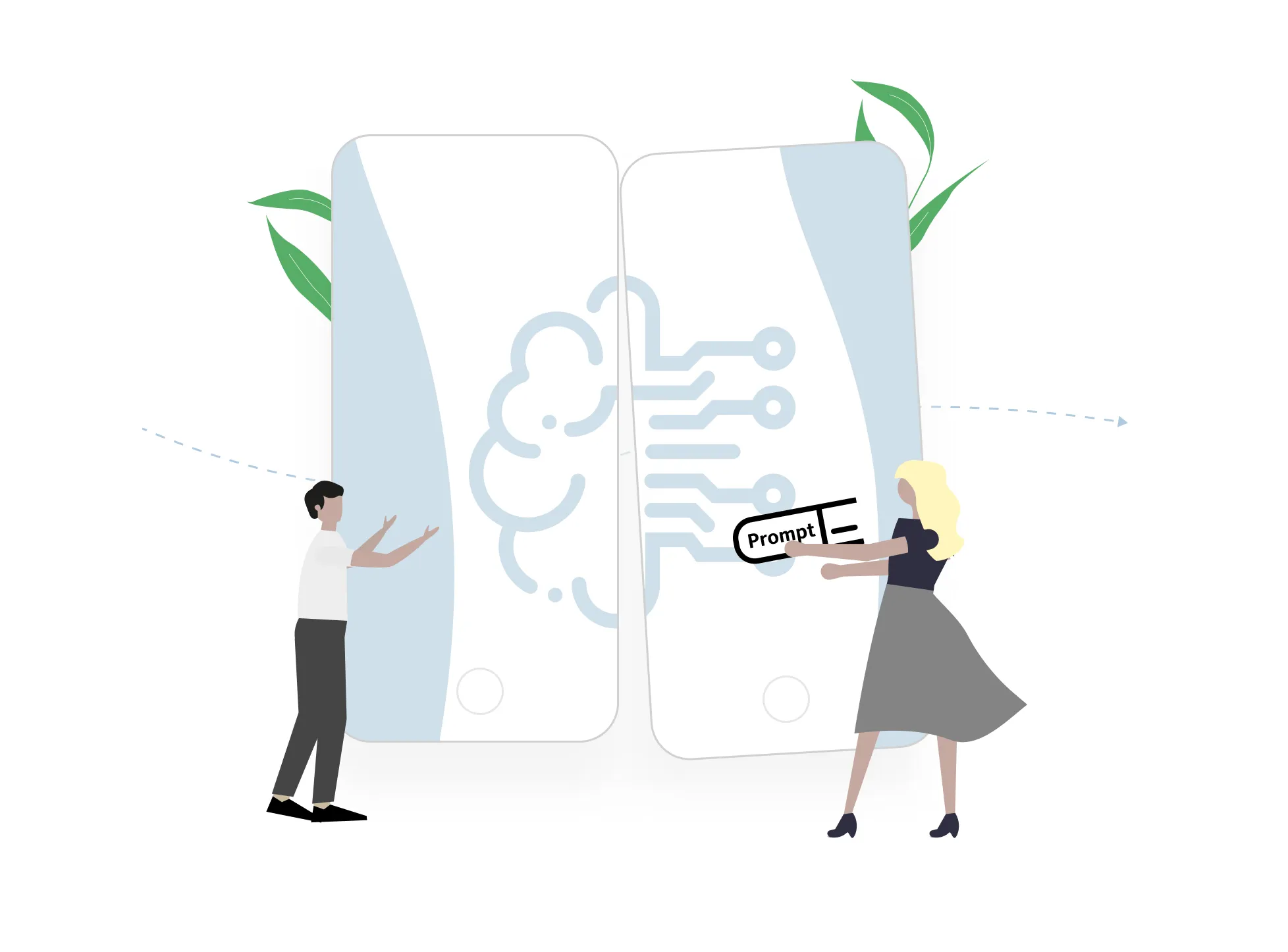
Artificial intelligence (AI) is more than just a buzzword – it's now an essential tool for staying competitive. The days of merely talking about AI are over – now it's about how companies can use these technologies effectively and profitably. Many of our clients already recognise that AI is changing the rules of the game across many industries. From improving the customer experience to supporting product development and data-driven business intelligence – the use cases are wide-ranging. Especially in digital marketing, artificial intelligence can analyse data, generate content and improve processes. The challenge lies in tailoring AI optimally to individual needs and developing bespoke strategies.
These fascinating possibilities, however, call for careful monitoring and clear guidelines for responsible use – particularly in complex use cases. Careful planning, training and monitoring are therefore essential to achieve the best results. In a world where AI technologies are advancing rapidly, continuous learning and building expertise are fundamentally important.
Artificial intelligence will undoubtedly play a key role in digital transformation. The central question is not whether AI technologies are relevant, but how companies can use them most effectively to achieve their goals. Companies have the opportunity to actively shape their digital future by deploying AI technologies strategically and in an ethically responsible manner.
What artificial intelligence means for our industry and our customers
2. Sustainable technology as a success formula
With advancing digitalisation, the ecological footprint of IT infrastructures is growing worldwide. According to the BBC, the production and use of smartphones, computers and servers is now responsible for around 3.7 percent of global emissions of climate-damaging gases. Given growing ecological and social commitment, companies and IT decision-makers face the task of aligning their digital processes and products with ecological and social sustainability standards. This happens not only out of responsibility towards our environment, but also because of users' rising expectations regarding the origin, production conditions and ecological footprint of digital products.
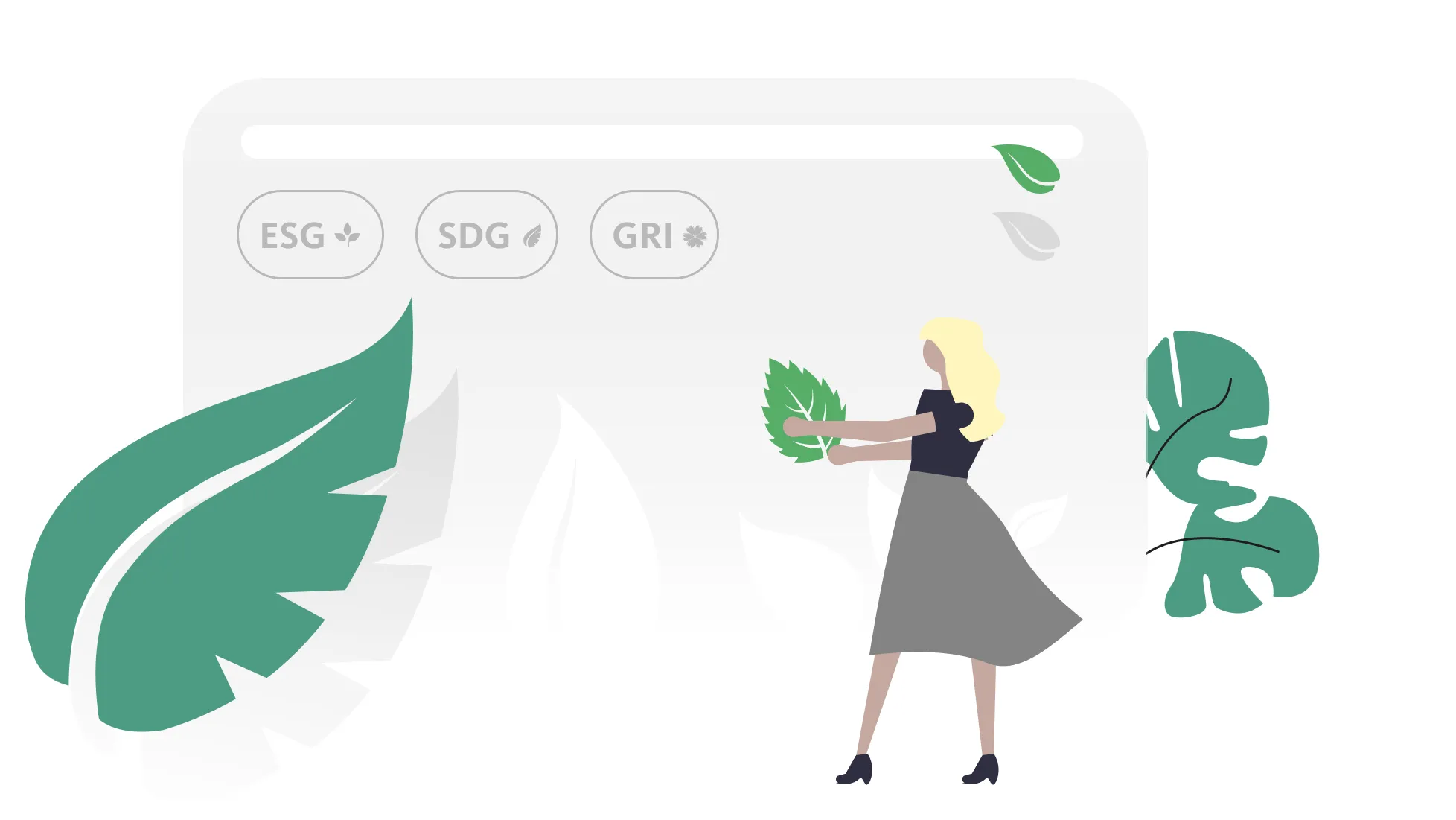
Although the IT industry causes rising resource consumption and emits climate-damaging gases, it can at the same time make a major contribution to solving these problems. Sustainable technology forms the foundation for innovative solutions that increase the energy and material efficiency of IT services, conserve resources and promote ecological and social sustainability. Transparent communication about sustainability efforts is also becoming increasingly important here. For IT decision-makers and companies in the technology sector, it is crucial to integrate ESG criteria, SDGs and GRI standards into their communication strategies in order to convey their commitment to environmental protection and social responsibility. The connection between technology and sustainability thus becomes a strategic orientation that aligns ecological, social and economic goals.
We too are committed to protecting valuable resources through consistent use of digitalisation and innovative technologies, and support our customers in achieving their own sustainability goals.
3. Digital immune system: preventing and minimising risks
More and more business processes and core competencies are shifting into the digital space, making protection of the digital infrastructure ever more important. In recent years we've all learned a lot about the human immune system, but technologies too are threatened by various risks and need adequate protection. This is naturally about data protection and a sound strategy for collecting and storing internal and external data. But operational risks are also a key aspect: how is data processed? Who's responsible for the "health" of digital applications? How is testing done? What gets automated? In short: how do we protect companies and the customer experience from attacks, errors and other threats? The answer: through a functioning digital immune system.
It consists of a combination of technologies, processes and security measures that detect vulnerabilities, identify anomalies and respond to threats. The components of a digital immune system include, among others, classic firewalls, security protocols, policies, controls and employee training. This also includes the question of which parts of the IT infrastructure should be operated internally and which should be hosted in the cloud. Companies must weigh up whether they prefer their own data centre with their own servers, or whether they should outsource certain services and responsibilities to the cloud.
As with topics on human health, the same principle applies: Mindfulness and prevention are always better than reaction and treatment. This is why the topic of the digital immune system will move further up the priority list for many companies in future.
Digital trends 2025
Which technological trends will shape the world of work and the market in 2025? How can we meet changing customer needs and what course must be set to remain future-proof? You can find out which developments will shape 2025 in our insight.
Digital trends 2025
4. Digital customer portals: the evolution from information to process platforms
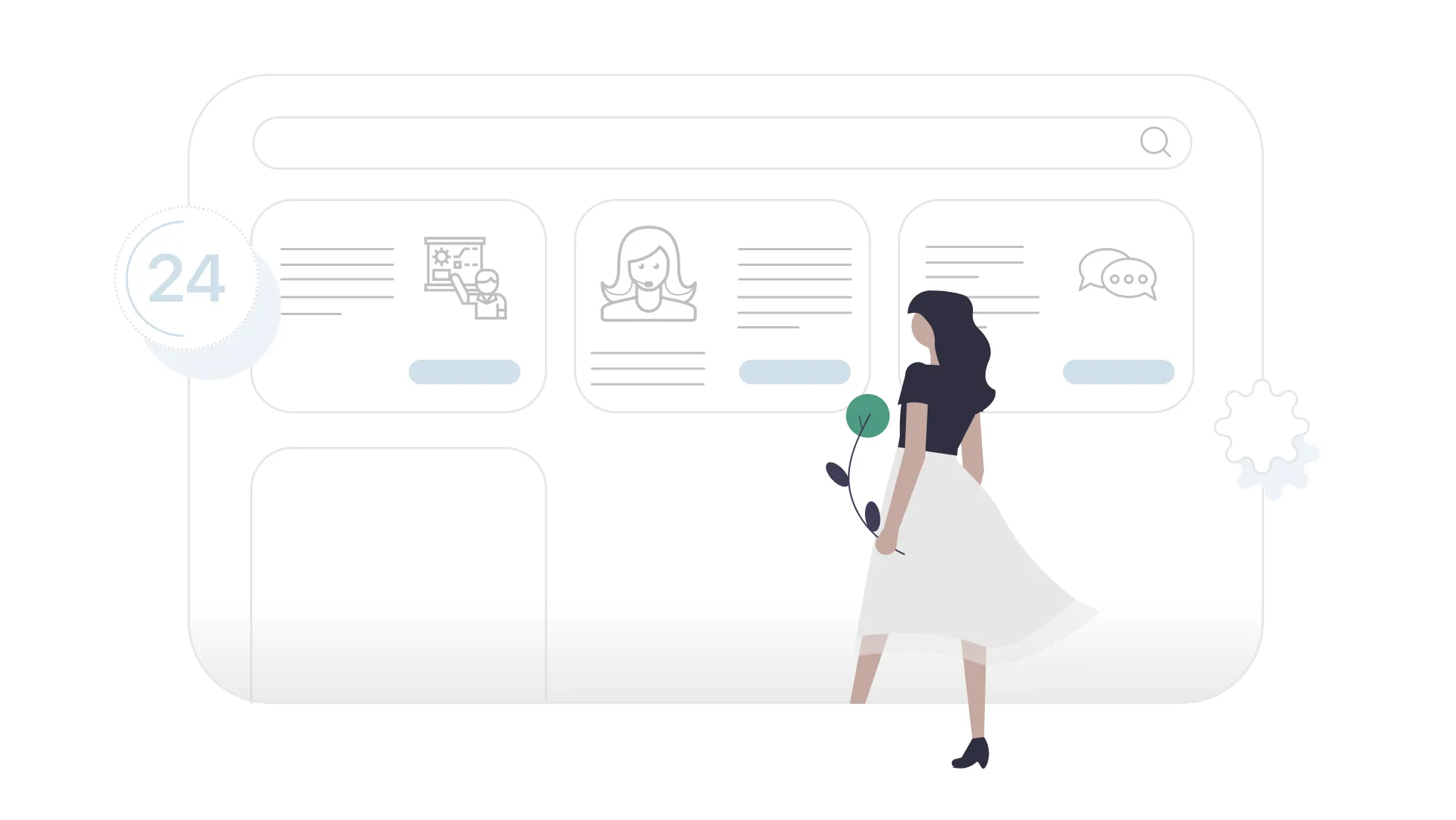
Large companies are increasingly investing in developing their own digital customer portals. These act as a central hub where customers can not only find information but also access suitable services. The days when customer portals offered only limited data and functions are over. Users can now automate recurring processes such as reorders, submit repair requests and order additional products.
The customer portal thus establishes direct contact with the company and becomes an essential part of the customer relationship. It's evolving from an information platform into a comprehensive process platform.
Especially in the B2B sector, customers are highly demanding, which means many companies need to create new offerings, develop digital services further and provide customers with tangible added value (service design). Alongside classic after-sales service offerings and new digital services, companies have the opportunity to gain valuable customer insights from portal analysis and to unify the user experience.
We've summarised the seven key benefits of digital customer portals for you.

5. Cloud services: businesses become flexible thanks to SaaS and PaaS
More and more companies are shifting IT processes and services to the cloud, or using cloud-based Software as a Service (SaaS) and Platform as a Service (PaaS). Thanks to SaaS and PaaS, companies use data, applications and services over the internet, making their employees and business more efficient. The benefits for companies are manifold: they save space and IT costs, can respond to change more quickly, hand off hosting, update and maintenance tasks, and make services generally easier to access. From the CMS to the online shop to the CRM system, many services can be shifted to the cloud and rented as a service.
A key advantage is scalability. Many SaaS offerings can be adapted to user count and feature scope as needed. Companies wanting to respond flexibly and efficiently to change rely on cloud services. Our collaboration with KTR Systems GmbH shows this too, where we integrated KTR's entire corporate world into new digital experience platform ktr.com. We're happy to help our customers decide which cloud services matter for their business, and to roll out matching technologies together with them.
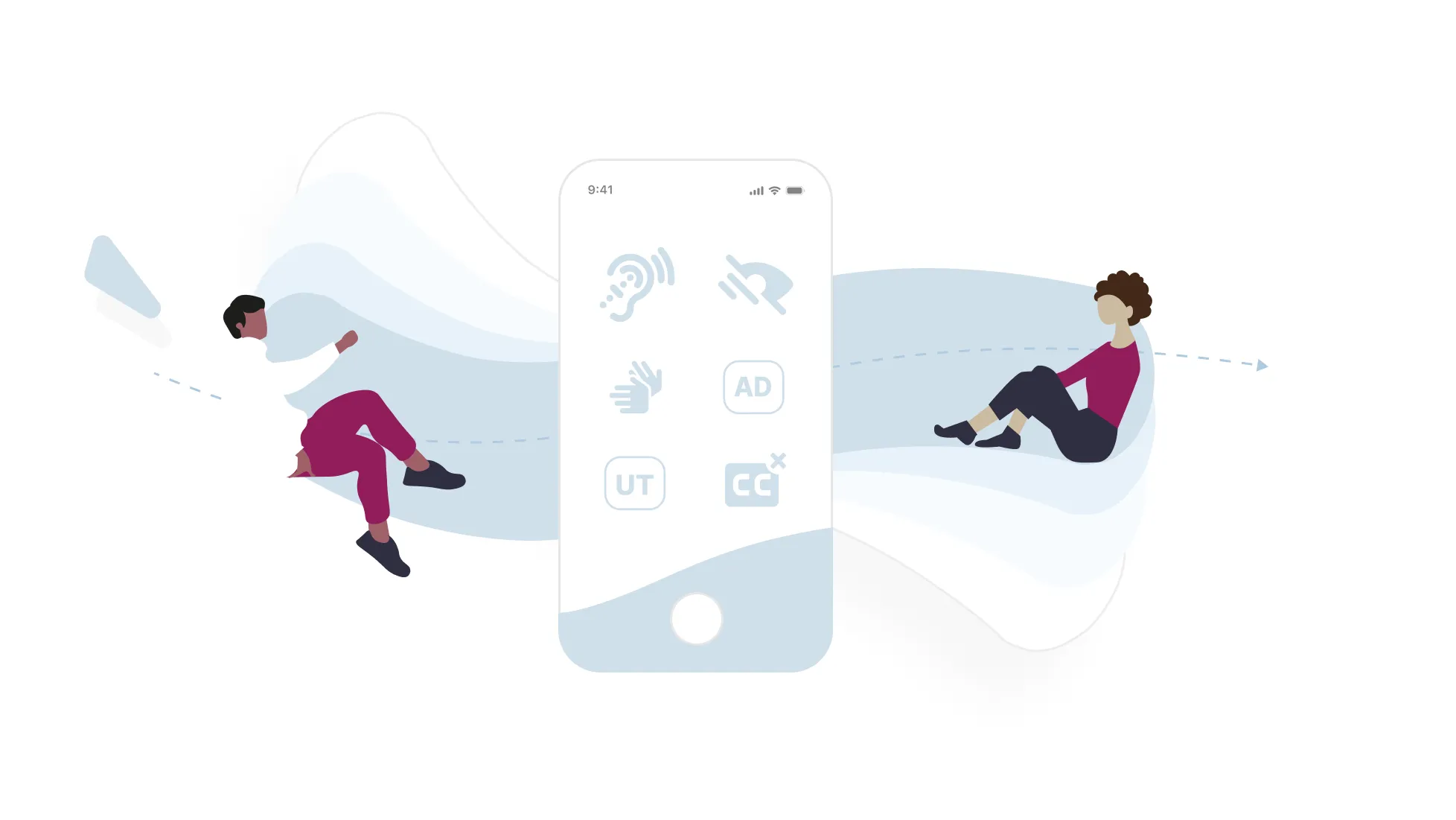
6. Digital accessibility: the key to an inclusive future
Accessibility enables all people to use digital offerings without restrictions, regardless of individual abilities, technical means or physical limitations. Many companies and organisations have already recognised that accessible websites not only appeal to a broad target group, but also lead to better discoverability in search engines and improved user-friendliness. While public institutions have been taking steps towards digital accessibility for some time now, from 2025 finance, B2B and e-commerce companies will also be legally required to offer accessible digital services. How you can prepare for the legal obligations applying from 2025 and how we support you with this, you can find out in our insight.
We at interactive tools have been an experienced partner in developing and implementing accessible solutions for many years. We're happy to accompany you through all phases of the process - from analysing your existing website to gradually improving accessibility and developing new accessible platforms.
Accessible internet – what's behind it?


7. Continuous development: future-proof through constant advancement
Our working environment is constantly changing, new technologies keep opening up new possibilities, volatile markets present companies with major challenges. How can we withstand the storm of change digitally? How can we optimise code, content and technology so we succeed in the long term?
The answer: Continuous Development.
A company's digital landscape is like a house we build together with our clients. We initially design it with the right materials and in a suitable size, but even the best house occasionally needs a fresh coat of paint or is extended with new rooms and functions. Many companies keep a maintenance reserve for small and large renovation work on the digital house.
We're carrying out fewer and fewer big relaunch projects; instead, we keep developing existing offerings continuously. Code has to stay alive to keep pace with the times and with users' needs. In design, content and SEO too, it makes sense to work adaptively and flexibly. Together with our clients, our teams stand at the digital workbench, shaping target visions, tools and processes. Our close partnership with Wacker, an international B2B group, has grown over almost 20 years now. Together, we keep driving the company's digital offerings forward.
Continuous work on a digital house means we can keep improving and expanding it – without one day having to tear it down completely due to structural decay. Specifically, for your platform development, that means: new technologies and content are tested as a prototype before being rolled out, budgets can be planned and distributed evenly, and search engine rankings stay strong. From the materials to the processes, we focus on an overall system that not only enables continuous development, but also makes it efficient. The only effective strategy for an uncertain future is continuous adaptation: continuous development.
Your contact person
- Marian Gertheim
Consultingsynaigy
Show phone numberShow email address